
- All
- Product Name
- Product Keyword
- Product Model
- Product Summary
- Product Description
- Multi Field Search
Views: 0 Author: Site Editor Publish Time: 2026-08-28 Origin: Site


Despite its name, modern "fleece" rarely comes from sheep. It actually describes a highly engineered synthetic insulating material. Manufacturers typically construct it from polyethylene terephthalate (PET) or various synthetic blends. This innovation completely revolutionized modern winterwear over the past four decades. However, you face a deeply saturated textile market today. Selecting the right fleece fabric requires balancing the warmth-to-weight ratio against breathability and environmental compliance. Buyers often struggle to match the material to the exact end-use case. Choosing the wrong variation leads to bulky, underperforming garments. It can also cause unexpected failures in harsh weather conditions. This guide transitions you from confusion to confident evaluation. We will break down key fabric classifications and critical performance metrics. We will also explore hidden sourcing risks. Ultimately, this article helps you specify and purchase the correct textile for technical apparel, outdoor gear, or commercial production.
Composition: True fleece fabric is a knit, napped polyester (often recycled PET), though cotton and blended variations exist for different use cases.
Weight Dictates Function: Commercial fleece is categorized by grams per square meter (GSM) or weight classes (100, 200, 300), directly impacting mobility and insulation.
Performance Trade-offs: While highly hydrophobic (water-resistant) and quick-drying, standard fleece lacks wind resistance and is prone to pilling without chemical/mechanical treatments.
Sustainability Imperative: Sourcing decisions must increasingly account for microplastic shedding and verifiable recycled content (e.g., Global Recycled Standard).
Understanding this material begins at the fiber level. Base materials dictate how the final garment will perform in real-world scenarios. Virgin polyester remains highly common. Refineries derive it directly from petroleum. However, the industry now heavily favors recycled polyester (rPET). Facilities create rPET by melting down post-consumer plastic bottles. This process extrudes the plastic into fine yarns. You will also encounter natural or hybrid fibers. Cotton fleece and French Terry blend synthetic durability with natural softness. These blends cater to entirely different consumer needs.
The manufacturing process determines the physical characteristics of the textile. It involves three crucial steps:
Knitting: Machines interlock synthetic yarns using a circular knitting technique. This creates a highly durable, flexible base layer.
Napping (Brushing): Wire brushes mechanically agitate the knitted surface. They pull tiny fiber loops upward to create a fuzzy texture.
Shearing: Precision blades trim the raised fibers. This ensures a uniform pile height across the entire fabric roll.
This distinct construction provides a massive structural advantage. The brushing process creates millions of microscopic air pockets. These pockets trap body heat incredibly well. They deliver an exceptionally high warmth-to-weight ratio. Traditional wool or standard knits simply cannot match this thermal efficiency. You get the warmth of a heavy winter coat in a fraction of the weight.
You must apply a strict decision lens during sourcing. Fiber selection directly impacts your final product's cost. It also changes the dye-ability. Polyester accepts vibrant, colorfast dyes easily. Cotton blends may fade faster over time. Furthermore, fiber choice alters the shrinkage rate. Pure synthetics resist shrinking, while natural blends require careful pre-washing steps. Evaluating these factors prevents costly manufacturing errors downstream.
Weight directly dictates how this material functions. The textile industry standardizes these fabrics using grams per square meter (GSM). Brands generally group them into three primary weight classes. You must understand this system to build effective layering systems.
Fleece Weight Class Comparison
Weight Class | GSM Specification | Key Attributes | Ideal Applications |
|---|---|---|---|
100-Weight (Microfleece) | Under 200 GSM | High breathability, low bulk, rapid drying. | Base layers, activewear, packable gear. |
200-Weight (Mid-weight) | 200 to 300 GSM | Balanced warmth, versatile layering. | Standalone jackets, blankets, mid-layers. |
300-Weight (Heavyweight) | Over 300 GSM | Maximum thermal retention, lower flexibility. | Extreme weather outer layers, thermal linings. |
The 100-weight class is often called microfleece. It specs out at less than 200 GSM. It offers incredible breathability and extremely low bulk. You will find it ideal for base layers and activewear. Runners and climbers rely on this weight for high-output activities. It moves moisture away from the skin rapidly.
The 200-weight class represents the industry standard. It measures between 200 and 300 GSM. This mid-weight option strikes a perfect balance. It provides substantial warmth without restricting movement. You see it commonly used for standalone jackets and cozy blankets. It serves as the ultimate mid-layer insulation for casual winter hikers.
The 300-weight class is the heavyweight champion. It exceeds 300 GSM in density. You gain maximum thermal retention with this category. However, you sacrifice flexibility and breathability. Designers reserve it for extreme weather outer layers. It also functions well as a thermal lining for heavy winter parkas.
You must use an evaluation framework when specifying weight. Always match the weight class to the expected metabolic output. High-energy activities demand 100-weight materials. Static activities in extreme cold require 300-weight options. Understanding the intended layering system prevents consumers from overheating or freezing.
Not all synthetic textiles behave the same way. The manufacturing sector has engineered specific variations for distinct commercial applications. You must match the fabric type to your exact product requirements.
Polar Fleece: This represents the baseline synthetic standard. It delivers high warmth and reliable durability. However, it remains highly vulnerable to wind penetration. It works best as an insulating mid-layer under a protective shell.
Grid/Waffle Fleece: Engineers designed this for ultralight applications. The fabric features a distinct checkerboard pattern. The raised grid traps heat, while the recessed channels dump excess moisture. This structure maximizes compressibility. It significantly reduces overall weight for backpackers and alpinists.
Wind-Resistant/Bonded Fleece: This variant solves the wind-chill problem. Manufacturers laminate a thin internal membrane between two layers of textile. It blocks wind entirely. However, it sacrifices significant breathability. It also increases the stiffness of the garment. You should specify this for standalone outerwear in blustery conditions.
Cotton & Blended Fleece: This offers a smoother face and a softer drape. It feels incredible against the skin. However, it retains moisture rapidly. It is less effective for technical outdoor survival. Instead, it proves superior for streetwear, hoodies, and loungewear. It also naturally reduces static electricity buildup. Some designers also explore high-loft fleece fur fabric styles for lifestyle outerwear. These mimic animal pelts for aesthetic appeal.
Best Practices for Selection: Always audit your target audience's primary activity. Do they need moisture management or absolute heat retention? Do not specify heavy polar variants for high-aerobic running gear. Match the structural engineering to the physical demand.
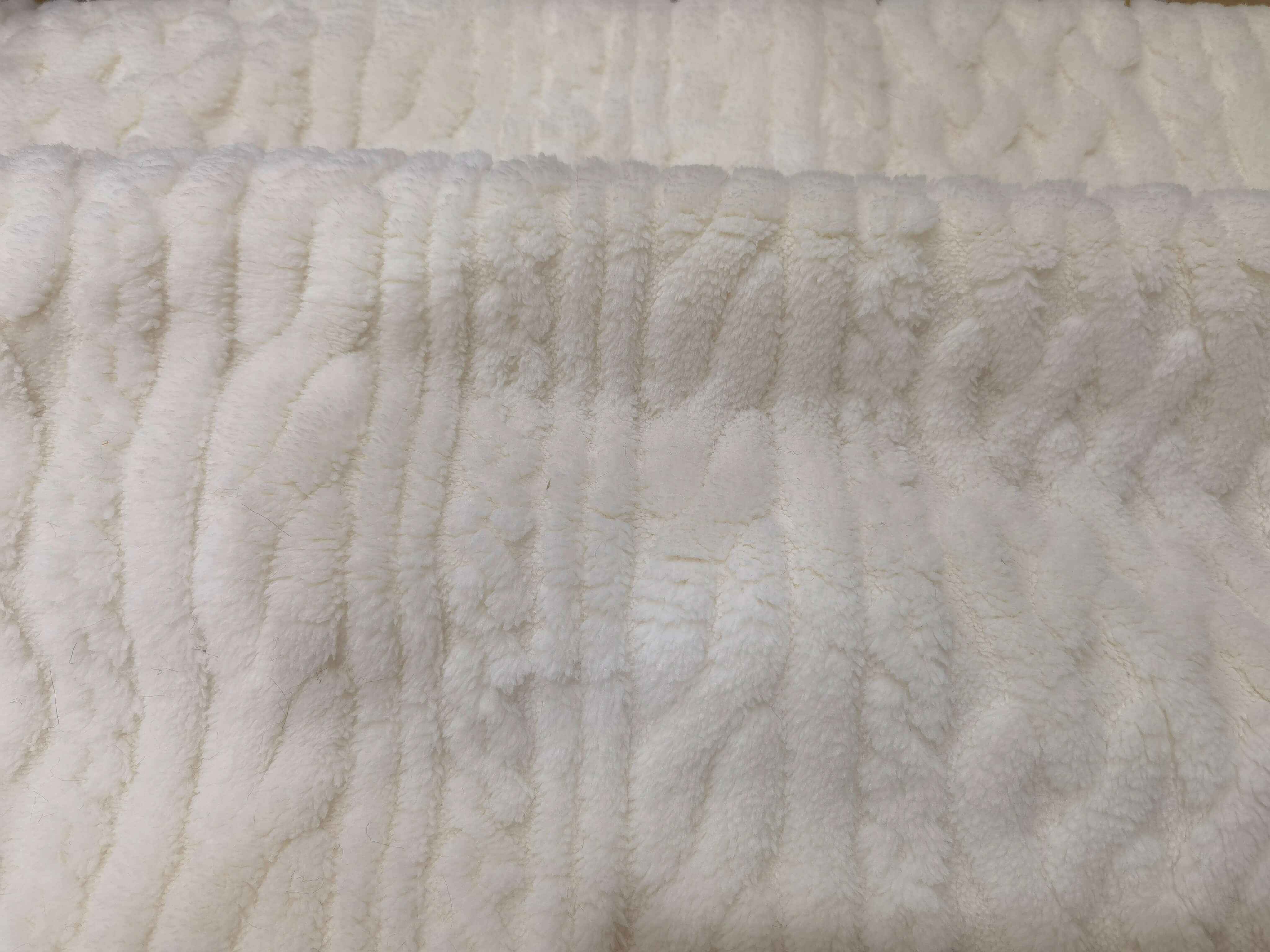
You must acknowledge the physical limitations of this material. Addressing these risks early prevents product returns and consumer dissatisfaction. The biggest misconception involves wind protection. Many consumers view standard synthetic jackets as standalone winter barriers. This is dangerously false. Wind easily penetrates the unlaminated knit structure. Convective heat loss strips trapped warm air away instantly. You must pair standard variants with a windproof outer shell for severe weather.
Pilling and abrasion degradation pose massive commercial risks. Friction from backpacks or repeated industrial washing degrades the napped surface. The microscopic fibers tangle together. They form unsightly little balls called pills. This ruins the garment's aesthetic and reduces thermal efficiency. You must evaluate the necessity of specifying "anti-pill" finishes. Manufacturers apply mechanical shearing or chemical treatments to mitigate this. High-end products always require an anti-pill guarantee.
Static electricity causes significant annoyance. Polyester possesses a highly electrostatic nature. It generates static shocks in dry, cold air. It also acts as a magnet for pet hair and dust. You must communicate this reality to consumers. Blending the material with cotton or adding anti-static chemical washes during production can help. However, pure synthetic versions will always struggle with this issue.
Common Mistakes: Ignoring flammability risks can be catastrophic. Untreated polyester melts rather than burns when exposed to open flames. The molten plastic adheres to human skin, causing severe burns. You must provide a clear warning on your garments. This material is completely unsuitable for welders, electricians, or high-heat industrial environments. Never market it as protective workwear unless specially treated with fire-retardant chemicals.
The textile industry faces immense pressure to clean up its supply chain. Environmental and compliance standards now dictate major sourcing decisions. The market has shifted heavily toward recycled materials. You cannot simply trust verbal supplier claims. You must highlight and verify frameworks like the Global Recycled Standard (GRS). GRS tracks recycled content from the source to the final product. Additionally, OEKO-TEX certification ensures the fabric contains no harmful chemicals. Requiring these certifications protects your brand reputation.
You must transparently address the microplastic reality. Synthetic textiles shed thousands of microscopic fibers during a standard wash cycle. These microplastics bypass water treatment plants. They eventually pollute oceans and waterways. The industry is developing emerging mitigation technologies. Sourcing tightly spun yarns reduces shedding significantly. You can also educate consumers about end-user solutions. Recommend using specialized filtration bags during washing to capture broken fibers.
Establishing a Standard Operating Procedure (SOP) for longevity is vital. You must outline strict care parameters on your garment tags. Proper care maintains the fabric's loft and hydrophobic properties. Instruct consumers to use only cold water and mild detergent. High heat destroys the synthetic fibers. Consumers must strictly avoid fabric softeners. Softeners coat the fibers in a waxy residue, destroying breathability. Always recommend air drying. If machine drying is necessary, mandate the lowest possible heat setting. Never allow high-heat tumble drying or ironing. The material will melt and lose its structural integrity.
Understanding this textile requires moving beyond basic terminology. It is not a single monolith, but rather a deeply engineered category of materials. Every variation serves a distinct functional purpose. You must prioritize your selections based on expected physical output and environmental conditions. Choose 100-weight or grid variants for active movement and moisture management. Select 200 or 300-weight polar variants for static insulation in deep cold. Rely on cotton blends for comfortable lifestyle apparel.
Your sourcing process demands rigorous attention to detail. Do not settle for generic material descriptions from vendors. You must demand precise GSM specifications. Always request written anti-pill guarantees before production begins. Furthermore, require verified recycled material certifications to meet modern environmental standards. Taking these proactive steps ensures you procure high-quality textiles. It guarantees your final product will perform exactly as engineered.
A: No, it is hydrophobic and water-resistant, meaning it dries quickly, but it will eventually soak through in heavy rain unless treated with a DWR finish.
A: Fleece provides a better warmth-to-weight ratio and retains insulation when wet, but wool offers superior wind resistance and temperature regulation.
A: 100% polyester fleece shrinks minimally, but cotton-fleece blends can shrink significantly if exposed to high heat.
A: Fleece that has undergone a specialized shearing process or chemical treatment to prevent the fibers from tangling into small balls during friction or washing.


