
- All
- Product Name
- Product Keyword
- Product Model
- Product Summary
- Product Description
- Multi Field Search
Views: 0 Author: Site Editor Publish Time: 2026-09-06 Origin: Site


Selecting the right insulating textile requires balancing warmth-to-weight ratios, material costs, and lifecycle durability. Cold weather environments easily expose the limitations of traditional natural fibers. You need materials delivering reliable heat retention. They must not bog down the wearer. High-quality fleece fabric remains a staple in winter apparel and technical gear. However, variations in composition and weight drastically alter its performance. Virgin synthetic blends and recycled PET options behave differently under physical stress. We must scrutinize these differences for effective product design. This article provides a technical evaluation of these synthetic textiles. We will explore their functional properties, application categories, and specific maintenance requirements. You will learn how to evaluate fabric weight accurately. We will also uncover practical solutions to support your material sourcing and product development decisions.
Composition & Efficacy: Fleece is predominantly a synthetic, polyester-based fabric engineered to mimic wool's insulation capabilities at a fraction of the weight and cost.
Categorization by Weight: Evaluation relies heavily on GSM (grams per square meter), dictating whether the fabric is suited for base layers (microfleece) or heavy outerwear (polar/sherpa).
Performance Limitations: While highly hydrophobic (retains warmth when wet), standard fleece fabric lacks wind resistance and is prone to heat damage and pilling if not treated or cared for correctly.
Sustainability Imperative: The shift toward recycled polyester (rPET) is an industry standard, though microplastic shedding remains a primary lifecycle compliance consideration.
Polyethylene Terephthalate (PET) forms the core backbone of most synthetic fleece. Manufacturers start by melting plastic pellets. They extrude these melted plastics into ultra-fine continuous threads. Historically, the industry relied entirely on virgin polyester derived from petroleum. Today, modern manufacturing shows a massive transition toward recycled plastics. Brands commonly use post-consumer water bottles for this process. Facilities clean, crush, and melt these bottles. They transform the plastic waste into recycled polyester (rPET) yarn. This shift significantly reduces reliance on new fossil fuels.
Transforming raw yarn into a soft textile requires specific mechanical steps. The production follows a precise sequence to ensure consistent quality.
Base Knitting: Industrial machines spin the synthetic yarn. They knit it into a dense, solid base layer.
Napping (Brushing): The fabric passes through machines equipped with fine wire brushes. These brushes aggressively rub the surface. They raise the individual fibers to create a fluffy pile.
Shearing: The raised pile is uneven initially. Rotating blades shear the surface closely. This guarantees a uniform thickness across the entire roll.
Best Practice: Always inspect the shearing uniformity during quality control. Inconsistent shearing leads to cold spots in the final garment.
Air acts as an incredibly poor conductor of heat. The manufacturing process relies entirely on this physical principle. The raised synthetic pile creates millions of microscopic air pockets. These tiny spaces trap body heat effectively. They stop cold external air from reaching your skin. You stay warm. The garment remains incredibly light. This structural mechanism mimics the natural crimp of sheep's wool. However, it achieves the same thermal resistance without absorbing moisture.
Natural fibers often struggle in high-performance applications. Wool provides excellent warmth. Unfortunately, wool is heavy and bulky. Cotton absorbs moisture rapidly and loses all insulation value. Synthetic alternatives offer a vastly superior warmth-to-weight ratio. You achieve high thermal retention. You avoid carrying extra bulk. This efficiency improves factory yields drastically. Garment manufacturing becomes much more cost-effective. Outdoor enthusiasts prefer these textiles specifically for their packability.
Synthetic polyester repels water naturally. The textile structure retains less than 1% of its total weight in water. Moisture cannot penetrate the core of the plastic fibers. Instead, body sweat moves outward along the fiber surfaces. It evaporates quickly into the surrounding air. The industry calls this moisture-wicking. Your skin stays completely dry during intense physical activity. You maintain a stable core temperature even in damp conditions.
Despite numerous advantages, the material possesses clear limitations. You must account for these risks during product development.
Wind Permeability: The porous knit structure allows air to pass freely. Wind blows straight through standard variations. You lose trapped body heat instantly. Severe conditions require laminated wind-blocking layers.
Static Build-up: Synthetic plastics generate significant static electricity. The friction of daily wear exacerbates this issue. The material easily attracts pet hair, lint, and dust.
Flammability: Polyester melts rapidly when exposed to high heat. It can fuse directly to human skin. Safety regulations mandate strict adherence to melting point limits. Specific industrial use cases demand specialized flame-retardant treatments.
Common Mistake: Relying solely on basic fleece for motorcycle or welding gear. The lack of flame resistance poses severe safety hazards.
Category | GSM Range | Primary Profile | Best End Uses |
|---|---|---|---|
Microfleece | Under 200 | Lightweight, highly breathable, high flexibility. | Performance activewear, base layers, lining. |
Polar Fleece | 200–300 | Mid-weight, balanced warmth, strong structural integrity. | Mid-layer jackets, blankets, casual winter apparel. |
Heavyweight / Sherpa | 300+ | Dense, textured pile mimicking sheep's wool. | Outerwear shells, heavy linings, extreme cold gear. |
This category prioritizes mobility and moisture management. The fabric feels exceptionally lightweight against the skin. It offers maximum breathability. High flexibility makes it perfect for athletic movements. Designers utilize microfleece primarily for performance activewear. It serves as an ideal base layer. It also functions well as a lightweight inner lining for raincoats. You will not overheat during high-exertion activities like trail running.
This weight class represents the gold standard of the industry. It strikes a perfect balance between warmth and wearability. The knit provides solid structural integrity. Garments hold their shape beautifully over time. You see this variation everywhere in casual winter apparel. It dominates the market for mid-layer jackets and cozy house blankets. This thickness insulates efficiently without restricting daily movement.
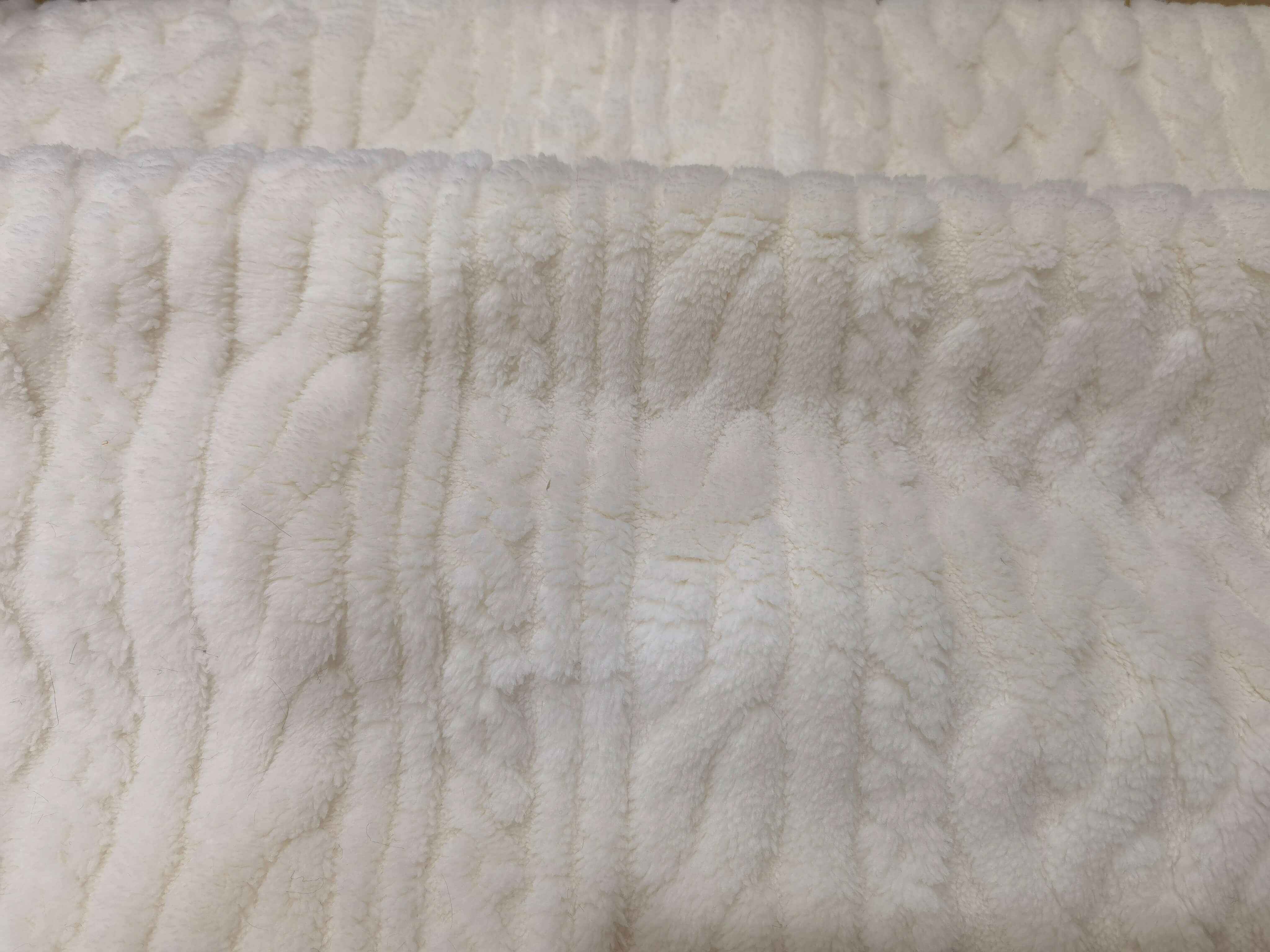
Extreme climates demand substantial thermal protection. Heavyweight options feature a highly textured, dense pile. The surface closely mimics the appearance of natural sheep's wool. It delivers incredible thermal retention. Outerwear brands frequently specify thick fleece fabric for premium winter coat linings. It forms the protective outer shell for sub-zero expedition gear. The increased bulk is a necessary trade-off for survival-level warmth.
Modern engineering allows for creative material combinations. French Terry features an unbrushed exterior. The interior consists of soft, moisture-wicking loops. It is ideal for transitional spring and autumn climates. Spandex and Lycra blends introduce four-way stretch. This elasticity is crucial for technical outdoor sports. Climbers and skiers rely on these blends for unrestricted joint articulation.
Developing an effective layering system requires precise material selection. You must shortlist fabrics based on their functional purpose. Base layers sit directly against the skin. They require the high breathability of microfleece. Mid-layers trap the core heat. They rely on the balanced insulation of standard polar weights. Outer shells demand wind-resistant treatments. Matching the exact GSM to the environmental demand ensures the wearer stays comfortable.
Interior products prioritize tactile comfort over rugged durability. Evaluating pile density becomes the main objective. Blankets and throws need maximum softness. Consumers judge these products entirely by hand-feel. Cold-weather accessories require similar scrutiny. Gloves and beanies sit against sensitive skin. You must ensure the chosen textile lacks any abrasive qualities. Deep-pile variations often win in this specific market segment.
Procurement teams face critical decisions regarding material treatments. Sourcing anti-pill treated runs costs slightly more upfront. The factory must apply extra heat treatments and tighter shearing. However, this investment reduces consumer returns drastically. Untreated alternatives degrade quickly. Friction causes ugly fiber balls to form. You must establish strict quality control checkpoints. Always check for uniform shearing across the entire fabric roll. Request standardized abrasion test reports before committing to bulk manufacturing.
Proper maintenance extends the usable life of synthetic garments significantly. You must wash these items in cold water. Hot water damages the plastic fibers. Always select a gentle machine cycle. Use mild, additive-free detergents. You must avoid fabric softeners completely. Softeners leave a chemical residue. They coat the individual synthetic fibers. This coating destroys the inherent hydrophobic properties. The garment will lose its ability to wick moisture.
High heat destroys polyester. You must strictly avoid commercial or hot residential dryers. Heat melts the microfibers irreversibly. Shrinking, warping, and severe structural degradation follow. Air drying on a flat rack is always the best practice. The material's low water retention means it air-dries incredibly fast. If you must use a machine, select the lowest possible tumble dry setting.
Daily friction causes mechanical damage. Fibers tangle together and form small, hard balls on the surface. We call this pilling. You can prevent pilling through careful handling. Always wash garments inside out. This simple technique reduces surface friction against other clothes. Avoid washing soft knits alongside heavy denim or items featuring exposed velcro and metal zippers.
Environmental sustainability is a pressing industry concern. Synthetic garments shed microscopic plastic fibers during agitation in washing machines. These microplastics bypass water treatment plants. They enter oceans and local waterways. Brands must implement actionable solutions. Recommend specialized washing bags to end-users. Products like the Guppyfriend bag capture shed microfibers effectively. They stop plastic from entering the water system. Providing this guidance builds immense brand trust.
Choosing the right textile requires careful alignment of multiple variables. You must match the exact GSM, texture, and blend to your specific environmental demands. Microfleece serves athletes, while sherpa protects against harsh winters. Proper care protocols ensure the material retains its hydrophobic and thermal properties for years.
Order sample swatches: Test different weight tiers manually before any bulk procurement.
Verify performance: Conduct in-house stretch recovery and anti-pill friction tests.
Educate consumers: Provide clear care instructions to prevent heat damage and mitigate microplastic shedding.
Assess treatments: Budget for necessary anti-static or wind-blocking laminations based on the end product's intended use case.
A: No. It is water-resistant and hydrophobic. It dries quickly because it absorbs very little moisture. However, water will eventually pass through the porous knit structure under heavy rain. You must treat it with a DWR (Durable Water Repellent) finish if you need true waterproof performance.
A: High-quality polyester fleece rarely shrinks in normal conditions. However, exposure to high heat in a washing machine or dryer causes severe problems. High temperatures can warp, melt, or permanently damage the synthetic fibers, leading to a shrunken appearance.
A: Synthetic options are significantly lighter, dry much faster, and remain completely vegan-friendly. Conversely, wool offers superior natural wind resistance and inherent odor control. Wool also continues to insulate effectively even when heavily saturated with water.
A: It undergoes a premium manufacturing treatment. The factory closely shears the surface and processes it with specific heat techniques. This prevents the loose fibers from tangling and balling up (pilling) when exposed to daily friction.


