
- All
- Product Name
- Product Keyword
- Product Model
- Product Summary
- Product Description
- Multi Field Search
Views: 0 Author: Site Editor Publish Time: 2026-09-01 Origin: Site


Choosing the correct clothing material goes far beyond simple aesthetic preferences. You must treat material selection as a critical performance and comfort decision. Ultimately, defining which fabric is "better" remains highly subjective. Your choice depends entirely on your garment's specific end-use. Are you building a technical outdoor layering system? Or do you simply want comfortable casual loungewear?
Selecting the wrong fabric causes immediate and frustrating physical consequences. You might experience severe overheating inside a warm building. You could face dangerous heat loss during cold outdoor activities. Your expensive garments might even suffer premature physical wear. Standard cotton excels greatly in passive breathability. It consistently delivers unmatched indoor comfort for sedentary days. Conversely, synthetic fleece fabric features highly specialized engineering. Designers optimize it for superior warmth-to-weight ratios. They also prioritize advanced active moisture management.
In this comprehensive guide, you will learn exactly how these textiles operate. We will compare their thermal efficiency, structural durability, and optimal use cases. This knowledge ensures you make informed, comfortable clothing investments.
Thermal Efficiency: Synthetic fleece fabric traps body heat effectively with a much lower weight penalty than thick cotton.
Moisture Dynamics: Cotton absorbs moisture (sweat) and dries slowly; synthetic fleece wicks moisture and retains insulating properties even when damp.
Care & Longevity: Cotton is prone to shrinking and fading, whereas fleece is vulnerable to heat damage and pilling if improperly laundered.
The Middle Ground: "Cotton fleece" exists as a hybrid solution, offering the plush interior texture of fleece with the breathable, natural exterior of traditional cotton.
We must first explore the unique origins of these popular textiles. Traditional cotton comes entirely from natural, plant-based agricultural fibers. Farmers harvest the fluffy bolls directly from cotton plants. Textile manufacturers then spin these raw fibers into soft, breathable yarn. Cotton possesses distinct, highly documented inherent properties. It offers exceptional natural breathability. It acts as a hydrophilic material, meaning it eagerly absorbs water. Furthermore, cotton boasts impressive hypoallergenic qualities. This makes the natural fiber exceptionally gentle on highly sensitive skin.
Conversely, synthetic alternatives rely on advanced chemical and mechanical processes. Manufacturers create traditional polyester insulators using polyethylene terephthalate (PET). You interact daily alongside this exact same chemical composition. It forms standard plastic water bottles globally. Engineers melt and extrude these plastics into microscopic synthetic threads. They tightly knit these strong threads into a durable base layer. Next comes a crucial mechanical engineering step. Industrial wire brushes aggressively scrape the fabric surface. Brushing the fibers creates a raised, fuzzy "pile" structure. You instantly recognize this distinct plush texture in fleece fur fabric. This textured pile physically forms countless microscopic air pockets. These tiny spaces efficiently trap your radiating body heat.
You will also frequently encounter a highly popular hybrid option. Industry experts label this specific variation "cotton fleece." This terminology frequently confuses everyday consumers. In textile manufacturing, the term "fleece" refers strictly to a specific knit structure. It describes the brushed, fuzzy backing of a garment. It does not dictate the actual raw material ingredient. A cotton-polyester blend bridges this gap beautifully. Even a pure 100% cotton version functions exceptionally well. They combine a breathable natural exterior alongside structural internal warmth.
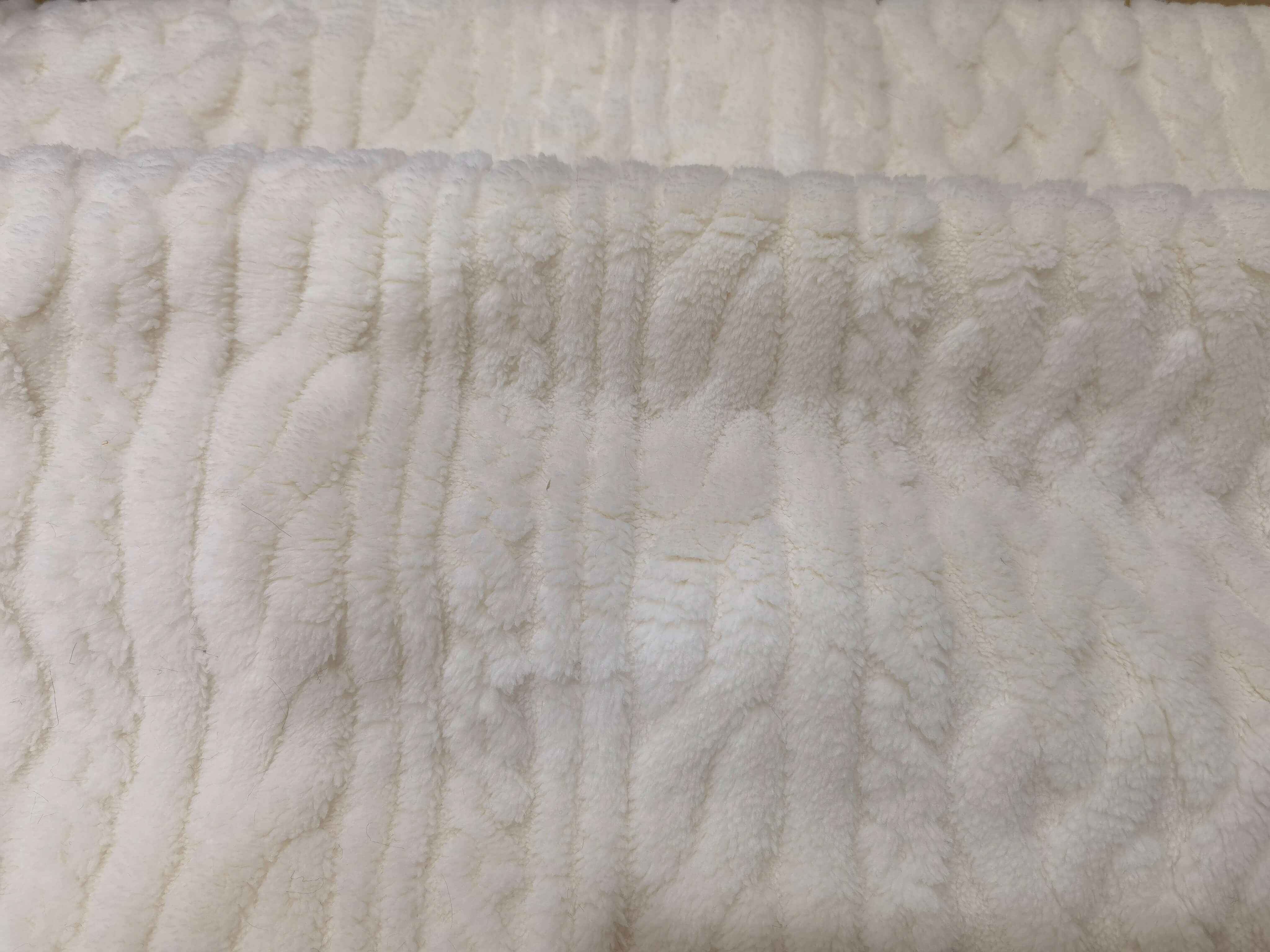
When comparing these textiles, you must thoroughly analyze their warmth-to-weight ratios. Synthetics generally feel significantly warmer than natural garments of the exact same weight. This relates directly to the fundamental thermodynamics of trapped air. Still air functions as an incredibly poor conductor of heat. The brushed pile structure prevents your natural body heat from escaping. It creates a highly efficient, stationary microclimate directly against your skin. We evaluate this metric carefully for active outdoor scenarios. For high-mobility use cases, you need maximum bodily insulation. You simultaneously require minimal physical bulk. Synthetics deliver this required balance perfectly.
However, temperature regulation dictates a completely different functional story. Natural plant fibers show immense superiority regarding passive cooling. Their woven or knitted structures allow constant, unimpeded airflow. Your excess body heat can easily escape through the natural material. This passive ventilation reliably prevents uncomfortable, sticky sweating inside mild environments.
You must consider a major implementation risk here. Heavy synthetic layers trap heat aggressively and relentlessly. They can cause severe physical discomfort indoors. You might experience rapid overheating inside heavily heated homes or offices. The exact same risk applies during unseasonably warm autumn weather. You must accurately match your material's thermal properties to your specific daily environment. Overestimating your insulation needs leads to immediate discomfort.
Outdoor recreation experts often recite a famous and sobering warning. They frequently declare, "Cotton Kills." This dramatic principle highlights a severe limitation of natural fibers. It applies specifically to harsh wilderness environments. Natural plant fibers eagerly absorb moisture like a dense sponge. They retain human sweat aggressively during heavy physical exertion. Once completely saturated, they lose all structural insulating value. This triggers rapid evaporative cooling directly against your skin. Such intense cooling can quickly lead to dangerous hypothermia outdoors. You must avoid pure natural layers during cold-weather aerobic activities.
Synthetics perform completely differently under intense physical stress. Let us look closely at how they handle dynamic moisture:
Hydrophobic nature: Synthetic plastic fibers naturally resist absorbing liquid water into their core structure.
Moisture wicking: The engineered fabric physically pulls liquid sweat away from your humid skin.
Evaporative efficiency: The material pushes this moisture to the outer surface for highly rapid drying.
Wet insulation: The structural air pockets continue trapping body heat even when slightly damp.
Everyday comfort scenarios require vastly different practical evaluations. You might just want cozy clothing for sedentary indoor lounging. Here, natural plant materials provide a massive physiological advantage. Human skin produces trace amounts of moisture constantly. A natural garment's ability to absorb this microscopic sweat proves highly beneficial. It makes your clothing feel significantly more natural. Pure synthetics often feel distinctly "clammy" during mild indoor use. Natural fibers maintain a much better personal microclimate for low-exertion activities.
You must understand how these distinct materials age over time. Each fabric demands specific, non-negotiable laundering routines. Improper care drastically reduces your garment's functional lifespan. Let us examine the most common maintenance risks closely.
Natural fibers face distinct, frustrating laundering challenges. Repeated hot washes often cause severe structural shrinkage. The natural cellulose fibers also wrinkle incredibly easily. You will likely notice prominent color fading after several months of regular use. To prevent this, you should wash them strictly in cold water.
Synthetic textiles carry entirely different vulnerabilities. Pilling remains a constant, highly visible nuisance. Small surface bobbles form purely from physical friction. They also generate annoying static cling in notably dry environments. High-heat drying poses the absolute greatest danger to these garments. The plastic fibers can literally melt or permanently mat together. This irreversible heat damage destroys the insulating air pockets forever. You should always air-dry your synthetic insulating layers.
We must also address the broader environmental impacts transparently. Both materials present significant, undeniable sustainability tradeoffs. You should weigh these factors carefully before making bulk purchases.
Textile Sustainability and Maintenance Comparison
Material Category | Primary Environmental Impact | Common Wear Vulnerabilities | Best Practice Care Method |
|---|---|---|---|
Standard Natural Fibers | Immense water usage, heavy pesticide reliance (if non-organic) | Shrinkage, severe color fading, deep wrinkling | Cold wash, medium tumble dry, prompt folding |
Synthetic Insulators | Petroleum extraction, microplastic shedding into waterways | Surface pilling, heat matting, excessive static cling | Cold wash, strictly air dry, use microfiber bags |
Conventional agricultural farming requires massive resources. The crops consume immense volumes of fresh water globally. Conventional farming also relies heavily on toxic chemical pesticides. You can effectively mitigate this by choosing certified organic options. Organic farming prohibits synthetic pesticides entirely.
Conversely, synthetics rely almost entirely on extracted fossil fuels. Manufacturers process petroleum derivatives to create the raw fibers. Furthermore, they shed tiny microplastics during every single washing cycle. These microscopic plastics eventually enter local municipal waterways. Environmental experts strongly recommend using specialized washing bags. These bags capture shedding microplastics before they drain away.
How do you finally finalize your clothing purchasing decision? You must align the material properties directly to your anticipated daily activities. We have categorized the optimal use cases below to guide you.
You should select pure synthetics for extreme environments and active pursuits. This material serves perfectly as a dedicated mid-layer for winter hiking or skiing. It also excels as a highly efficient winter blanket. Lightweight travel gear frequently utilizes this exact construction. You will achieve optimal success if your criteria demand maximum warmth. You also need minimal physical weight weighing you down. Finally, you require rapid, reliable drying capabilities. Numbered checklists often help outdoor buyers finalize technical gear. Here are your top requirements for selecting pure synthetics:
You anticipate heavy, continuous sweating in freezing weather conditions.
You need packable gear for multi-day wilderness backpacking trips.
You require emergency warmth layers for highly unpredictable climates.
You lack access to traditional laundry machines during extended travel.
Standard natural fibers work beautifully for your daily lifestyle essentials. We highly recommend them for everyday undershirts and base layers. They dominate summer apparel markets globally for good reason. You should always choose them for indoor climate-controlled wear. Your primary success criteria here rely on ultimate passive breathability. You might also demand skin-safe, hypoallergenic natural fibers. Furthermore, natural fibers handle easy, straightforward washing routines effortlessly. You rarely need special detergents or complex air-drying setups.
Sometimes you truly need the absolute best of both worlds. Premium modern hoodies predominantly use this exact hybrid construction. High-quality sweatpants also rely heavily on this balanced textile blend. We suggest it strongly for crisp autumn casual wear. Your success criteria focus on structural balance. You desperately need the soft, structured exterior of natural fibers. Concurrently, you desire the cozy, brushed interior warmth of synthetics. This specific blend delivers exceptional daily comfort for moderate urban climates.
Choosing between these materials requires a crystal clear understanding of your daily routine. Neither fabric proves universally superior across all possible scenarios. Synthetics easily win regarding technical thermal performance. They dominate outdoor survival situations and active moisture management. Conversely, natural fibers win decisively on breathability. They offer unmatched, highly breathable natural comfort for sedentary indoor lifestyles.
You should take one specific action before your next clothing purchase. Always check the interior garment tags meticulously. Look closely for exact fiber percentages listed by the manufacturer. You might see labels proudly listing "80% cotton / 20% polyester". This confirms a highly functional hybrid construction. Verify this specific blend matches your intended use case perfectly. Proper alignment ensures you stay comfortable indoors and safe outdoors.
A: Yes, it certainly can cause increased sweating in warm environments. Synthetic fibers excel brilliantly at trapping your body heat. If the ambient temperature is too high, this trapped heat has nowhere to escape. Your body responds naturally by sweating to cool down. You should reserve heavy synthetics strictly for cold climates or low-activity situations.
A: It feels warmer primarily due to its brushed pile structure. Manufacturers physically brush the synthetic fibers to create millions of microscopic air pockets. These tiny pockets trap your escaping body heat highly efficiently. A standard woven or knit natural hoodie lacks this raised pile, allowing heat to pass directly through the flat fibers.
A: No, they utilize completely different raw materials. The term itself simply describes the specific knitting technique. It refers only to the brushed, fuzzy backing of the fabric. You can apply this structural brushing technique to natural plant fibers or synthetic plastics. Synthetic options prioritize technical warmth, while natural blends prioritize breathable comfort.
A: Natural plant fibers remain generally superior for most summer blankets. Their remarkably high breathability allows excess body heat to escape during warm, humid nights. However, a highly air-conditioned bedroom changes the equation entirely. In freezing artificial climates, a lightweight synthetic microfleece blanket provides excellent comfort without feeling overly heavy on your resting body.


