
- All
- Product Name
- Product Keyword
- Product Model
- Product Summary
- Product Description
- Multi Field Search
Views: 0 Author: Site Editor Publish Time: 2025-12-05 Origin: Site


Faux wool fabric has quickly become a popular and sustainable alternative to traditional wool. As ethical fashion gains momentum, more consumers are opting for garment fabric that is affordable, animal-friendly, and environmentally responsible.In this article, we’ll explore what faux wool fabric is, how it compares to real wool, and the numerous benefits it offers. You’ll also learn why it’s increasingly being used in garment production.
Faux wool fabric is primarily made from synthetic fibers such as acrylic, polyester, and nylon. These fibers are engineered to mimic the soft, insulating properties of natural wool, while providing a more affordable and versatile alternative. Faux wool is typically lightweight, breathable, and durable, making it an excellent option for various types of clothing.
The process of creating faux wool involves weaving or knitting synthetic fibers into a fabric that closely resembles the look and feel of real wool. Unlike natural wool, which comes from sheep, faux wool is entirely animal-free, making it a cruelty-free option for environmentally conscious consumers.
Faux wool offers many of the same benefits as natural wool, but with some key differences. One of the most noticeable distinctions is the texture. Real wool has a natural crimp that gives it its unique softness and elasticity, whereas faux wool tends to be more uniform in texture. While faux wool can be just as soft and warm as real wool, it lacks some of the natural "breathing" properties of wool, which means it may not regulate temperature quite as efficiently.
Another difference lies in durability. Faux wool is generally more resistant to wear and tear than real wool, as synthetic fibers are less prone to shrinking or stretching. However, real wool has a higher capacity for insulation, which can make it a better choice for extreme cold weather.
In terms of environmental impact, faux wool tends to have a lower carbon footprint, as it doesn’t require the farming and shearing of animals. However, the production of synthetic fabrics can lead to microplastic pollution if not properly disposed of.
There are several reasons why faux wool fabric is a popular choice for both fashion designers and everyday consumers:
1. Cost-Effectiveness: Faux wool is often more affordable than natural wool, making it an accessible option for those on a budget.
2. Easy Maintenance: Unlike real wool, which often requires dry cleaning, faux wool can typically be machine-washed and dried, making it more convenient for regular wear.
3. Hypoallergenic: Faux wool is less likely to cause skin irritation, making it ideal for people with wool allergies or sensitivities.
4. Sustainability: Faux wool is often made from recycled synthetic materials, offering a more sustainable option for those looking to reduce their environmental impact.
Faux wool fabric is incredibly versatile and can be used in a variety of garments. Common items made from faux wool include:
● Coats and Jackets: Faux wool is commonly used to make stylish, warm outerwear that mimics the look of traditional wool coats without the associated cost.
● Sweaters: Faux wool sweaters are soft and cozy, perfect for colder months, and are available in a variety of styles and designs.
● Scarves and Shawls: Faux wool is an excellent choice for accessories like scarves and shawls, providing warmth without the itchiness that some people associate with real wool.
Faux wool has become a mainstay in modern fashion, particularly in eco-friendly and cruelty-free collections. Many designers and brands are now using faux wool as part of their commitment to sustainable fashion. The fabric is a perfect choice for garments aimed at environmentally conscious consumers, as it offers the warmth and style of wool without the need for animal products.
In addition to fashion houses, many mainstream retailers are integrating faux wool into their collections, making it more accessible to the average consumer. From chic faux wool coats to cozy faux wool sweaters, it’s clear that this fabric is here to stay in the fashion industry.
When comparing faux wool to traditional wool, there are a few key considerations for consumers. The table below highlights the key differences between these two fabrics:
Feature | Faux Wool | Traditional Wool |
Material | Synthetic fibers like acrylic, polyester | Natural fibers from sheep |
Warmth | Good insulation, but less breathable | Excellent insulation and breathability |
Comfort | Soft and comfortable, but lacks elasticity | Soft with natural elasticity and crimp |
Durability | More resistant to wear and tear | Can stretch or shrink with use |
Care | Machine washable and low-maintenance | Requires dry cleaning or hand washing |
Environmental Impact | Lower carbon footprint, but synthetic | Higher environmental cost due to animal farming |
Hypoallergenic | Often hypoallergenic | May cause irritation in sensitive individuals |
For those seeking a cruelty-free and cost-effective alternative to traditional wool, faux wool provides an excellent solution.
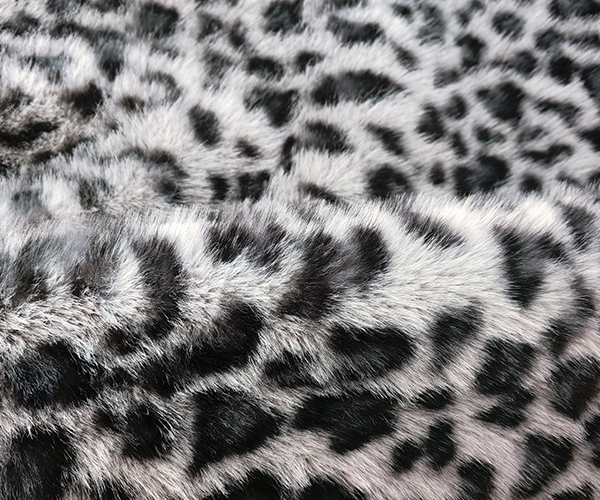
The environmental impact of faux wool versus real wool is a topic of increasing interest. Real wool production involves raising sheep, which requires significant amounts of land, water, and resources. Moreover, sheep farming contributes to methane emissions, which have a notable environmental impact.
On the other hand, faux wool, made from synthetic fibers, can have a smaller carbon footprint since it eliminates the need for animal farming. However, the production of synthetic fibers can still result in environmental harm, particularly if non-recycled plastics are used. It’s also worth noting that synthetic fabrics contribute to microplastic pollution when washed.
Despite these concerns, many faux wool fabrics are made from recycled materials, which can significantly reduce their environmental impact. For consumers looking for a more eco-friendly alternative, choosing faux wool made from recycled fibers or sustainably sourced synthetic materials can help mitigate some of these issues.
Faux wool can play an essential role in sustainable fashion by reducing the need for animal-based materials and supporting the use of recycled fibers. As demand for eco-friendly alternatives grows, faux wool fabrics made from recycled polyester, nylon, and acrylic are becoming more prevalent in the market.
By opting for faux wool garments, consumers can reduce the environmental burden of wool farming while still enjoying the warmth and comfort of wool-like fabrics. Faux wool also offers a cruelty-free alternative for those who wish to avoid animal products in their wardrobe.
Faux wool fabrics are easy to care for, making them a popular choice for everyday garments. To keep your faux wool garments looking their best, follow these simple care instructions:
● Machine wash on a gentle cycle with cold water.
● Air dry or tumble dry on a low heat setting to prevent any shrinkage or damage.
● Avoid fabric softeners as they can break down synthetic fibers over time.
By following these basic care instructions, you can extend the life of your faux wool garments and keep them looking fresh.
To prevent damage to faux wool, it’s essential to avoid exposing it to high heat or harsh chemicals. Pilling is another common issue with synthetic fibers, so it’s important to gently brush your faux wool garments to remove any loose fibers. Additionally, be cautious when storing faux wool garments, as improper storage can cause stretching or distortion.
A common misconception about faux wool is that it doesn’t provide the same level of warmth as natural wool. However, faux wool can be just as insulating, and in many cases, it offers comparable thermal performance. The difference in warmth often depends on the specific fiber used, as some synthetic fibers are designed to trap heat effectively.
Another myth is that faux wool is less durable than real wool. While faux wool fabrics may not last as long as high-quality natural wool, they are still quite durable and resistant to wear and tear. With proper care, faux wool garments can last for many years without significant degradation.
Many fashion designers and brands are now incorporating faux wool into their collections. Some notable brands include:
● Patagonia: Known for its commitment to sustainable fashion, Patagonia uses faux wool in many of its eco-friendly collections.
● H&M Conscious: H&M's Conscious collection features garments made from faux wool and other sustainable materials.
● Stella McCartney: This luxury designer has championed cruelty-free fashion by using faux wool in various high-end garments.
When shopping for faux wool garments, look for fabrics made from recycled or sustainably sourced materials. Check the label for information on the fabric’s composition and care instructions. High-quality faux wool should feel soft, durable, and comfortable, just like natural wool, but without the environmental and ethical concerns.
Faux wool fabric is a fantastic alternative to traditional wool, offering benefits for both consumers and the environment. It’s an affordable, cruelty-free, and sustainable choice for fashion. By understanding its features and care, you can enjoy its advantages while making a positive impact.As awareness grows, the demand for faux wool garments is likely to increase. Consider switching to faux wool for your next fashion purchase.At Suzhou Yuanchu New Material Technology Co., Ltd., we specialize in warp and weft knitted fabrics, gray fabric weaving, and related services. Join us in making eco-friendly fashion choices.
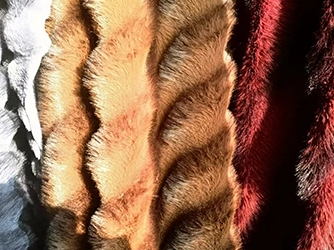
A: Faux wool fabric is a synthetic material made to mimic the appearance and feel of real wool. Commonly made from fibers like acrylic, polyester, or nylon, it is a popular alternative in garment fabric for its softness, warmth, and durability, without the use of animal products.
A: Faux wool fabric is created by weaving or knitting synthetic fibers such as acrylic or polyester. These fibers are engineered to replicate the texture and insulating properties of real wool, making them an ideal choice for eco-conscious garment fabric.
A: Faux wool fabric is often chosen for its affordability, ease of care, and cruelty-free production. Unlike real wool, which requires animal farming, faux wool offers similar warmth and softness while being a sustainable garment fabric alternative.
A: Faux wool can be more eco-friendly than real wool since it eliminates animal farming. Many versions are made from recycled materials, reducing the environmental footprint, making it a sustainable option for garment fabric in eco-conscious fashion.


