
- All
- Product Name
- Product Keyword
- Product Model
- Product Summary
- Product Description
- Multi Field Search
Views: 0 Author: Site Editor Publish Time: 2026-09-15 Origin: Site


The apparel industry faces a constant challenge balancing aesthetics and functionality. Consumers demand warm, luxurious textures for winter wear. However, sourcing traditional animal-derived materials often complicates production at scale. Natural wool brings exceptional thermal properties but introduces severe manufacturing bottlenecks. Sourcing it requires navigating strict ethical compliance, agricultural fluctuations, and high raw material costs. Brands need reliable alternatives. They must maintain a premium feel without sacrificing operational efficiency.
This guide explores how synthetic textiles solve these exact manufacturing dilemmas. You will discover the chemical composition, commercial benefits, and practical use cases of these materials. We also provide a direct comparison against Sherpa and standard fleece. This evidence-based analysis will guide your next procurement decision and streamline your upcoming production runs.
Faux Wool Fabric is a synthetic textile (typically polyester, acrylic, or a blend) engineered to mimic the crimp, texture, and thermal retention of natural sheep's wool without the associated animal welfare compliance constraints.
Primary Benefits: Offers high scalability, lower raw material costs, hypoallergenic properties, and simplified end-user care logistics compared to natural wool.
Sherpa & Fleece Comparison: While faux wool focuses on structural mimicry of traditional wool, Sherpa is optimized for a dual-sided texture (smooth knit backing with a bumped pile face), and standard fleece prioritizes moisture-wicking and active-wear layering.
Sourcing Reality: Quality varies heavily by supplier; low-tier synthetics pose severe pilling risks and microplastic shedding, requiring rigorous sample evaluation.
To understand this textile, we must look at its chemical composition. Manufacturers typically engineer Faux Wool Fabric from synthetic polymers. The most common bases are polyethylene terephthalate (PET) and polyacrylonitrile (acrylic). These plastics offer incredible versatility. They form the foundational building blocks of countless modern textiles. Acrylic provides excellent heat retention. PET delivers outstanding durability and shape retention.
How do factories turn raw plastic into something resembling a sheep's fleece? The manufacturing process involves several highly precise steps. First, industrial machines heat and extrude the synthetic polymers through fine spinnerets. This creates long, continuous filaments. Next, specialized machinery crimps these fibers. Crimping adds a permanent zigzag structure. This mimics the natural loft and springiness of real wool. Finally, industrial wire brushes agitate the surface. This brushing creates the fuzzy, warm texture consumers love.
Procurement teams often face confusing terminology in the market. B2B sourcing platforms use various names for similar materials. You might see terms like faux shearling, synthetic wool, or faux sherpa. These overlapping names often describe the exact same material base. Aligning your terminology helps you communicate better. It ensures you source the right Garment Fabric for your specific production run.
Best Practice: Always request a detailed material composition breakdown (e.g., 80% PET / 20% Acrylic) from suppliers rather than relying on marketing names.
Common Mistake: Do not confuse synthetic wool with faux fur. Faux fur uses much longer, straighter fibers designed to mimic animal pelts, whereas synthetic wool focuses on tight, crimped clusters.
Why should you choose synthetic alternatives over traditional animal fibers? The cost advantage per yard is substantial. Natural wool prices fluctuate wildly. Weather conditions, feed costs, and agricultural yields dictate the market. Synthetic options offer complete supply chain predictability. Factories produce them year-round in controlled environments. This stability protects your profit margins during large-scale manufacturing.
Ethical compliance standards are reshaping the global fashion industry rapidly. Modern consumers increasingly demand cruelty-free products. Transitioning to synthetic textiles bypasses animal welfare concerns entirely. It aligns perfectly with vegan-friendly brand positioning. Furthermore, it simplifies international shipping and customs compliance. You avoid the stringent agricultural regulations tied to transporting animal products across borders.
End-user maintenance also improves significantly. Natural wool requires careful hand washing and flat drying. It shrinks easily under heat. Moths often destroy it in storage. Conversely, synthetic wool is fully machine washable. It resists shrinking and naturally repels pests. These easy-care traits directly drive customer satisfaction. Happy customers mean fewer returns and better product reviews.
However, we must balance these claims carefully. Synthetic wool mimics warmth effectively, but it has notable limitations. It lacks the inherent antibacterial properties of genuine natural Merino. It cannot resist body odors naturally. It also falls short in advanced thermoregulation. It will not adapt dynamically to changing body temperatures like natural protein fibers do.
Buyers must choose between several popular synthetic options. Each textile serves a distinct purpose. Knowing the structural differences ensures you select the optimal material for your product line.
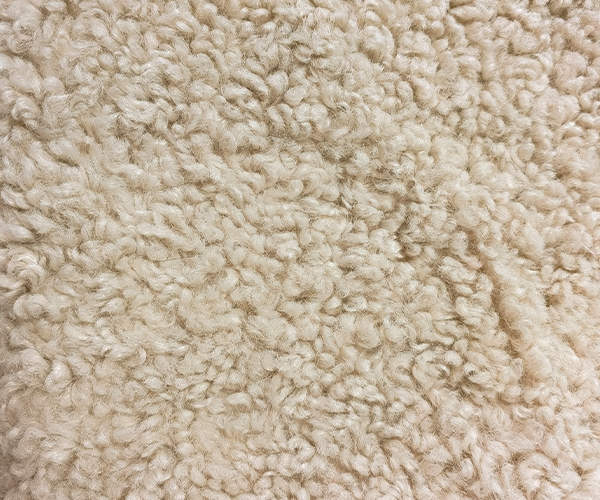
Visually, this textile is dense and heavily crimped. It closely resembles traditional spun wool or felted textures. The fibers pack tightly together. This creates a highly structured appearance. You will find it best suited for tailored outerwear. It works perfectly for structured winter coats. Heavy winter blankets and upholstery projects also benefit from its premium, classic aesthetic.
Sherpa relies on a unique two-sided construction method. One side features a smooth knit backing. The other side presents a fluffy, bumpy face. This mimics the look of a sheep's actual fleece. It is best for jacket linings and casual loungewear. Cozy home goods often utilize it. Sherpa feels bulkier than standard synthetics. It traps static air incredibly well, providing exceptional high-loft warmth.
Standard fleece looks and behaves entirely differently. It offers a uniform, low-pile surface. Factories brush it on both sides for supreme softness. This material is best for activewear and technical mid-layers. It excels when you need a high warmth-to-weight ratio. It also offers superior moisture management and breathability during physical exertion.
Follow a simple rule for material selection. Choose synthetic wool for structured aesthetics and wind resistance. Choose Sherpa for tactile coziness and interior linings. Choose standard fleece for technical layering and active mobility.
Feature | Synthetic Wool Alternative | Sherpa | Standard Polar |
|---|---|---|---|
Visual Texture | Dense, crimped, structured | Bumpy face, smooth back | Uniform, low-pile, flat |
Warmth Mechanism | Blocks wind, dense barrier | Traps high volumes of static air | Moderate air trapping |
Breathability | Low | Moderate | High |
Primary Application | Outerwear, upholstery, coats | Linings, loungewear, blankets | Activewear, mid-layers |
Different industries leverage these textiles in unique ways. Understanding proven use cases helps guide your product development and marketing strategies.
Designers love synthetic wool for winter fashion. It dominates the market for trench coats, shackets, and winter accessories. The dense structure provides excellent draping capabilities. It holds its shape well over time. Unlike floppy fleece, it supports pleats, seams, and structured collars. This makes it ideal for garments requiring a tailored, professional silhouette.
The home goods sector relies heavily on these materials. High-end throw blankets and decorative pillows frequently feature them. The primary focus here is texture retention. Consumers wash blankets often. High-quality synthetics maintain their soft, crimped loft even after multiple machine cycles. They resist matting better than inferior materials.
Performance reality matters greatly in extreme cold. How does it function practically outdoors? You should utilize it primarily as a non-active outer shell. It blocks cold air effectively. However, it traps moisture if you sweat. Therefore, avoid using it as a technical moisture-wicking mid-layer. Standard micro-fleece handles athletic sweating much better.
Sourcing synthetic textiles carries specific manufacturing risks. You must evaluate suppliers rigorously to avoid costly production mistakes.
Premature pilling is the biggest threat to synthetic wools. Low-tier fabrics quickly develop unsightly fuzz balls through daily friction. We strongly advise requesting standardized abrasion test data from suppliers. Ask for Martindale or Wyzenbeek test results. These reports prove the material's durability before you buy. For heavy outerwear, look for scores exceeding 15,000 rubs. For upholstery, demand scores above 30,000 rubs.
Synthetic fabrics face rightful scrutiny regarding sustainability. Washing them releases microplastic shedding into waterways. This is an undeniable environmental reality. To meet modern Environmental, Social, and Governance (ESG) requirements, prioritize recycled materials. Always source recycled PET (rPET) options. This reduces your brand's reliance on virgin plastics. You can also educate consumers on using microplastic-filtering laundry bags.
Grams per Square Meter (GSM) dictates the fabric's weight and density. You must specify GSM requirements tightly. Vague specifications lead to disastrous manufacturing runs. If the GSM is too low (under 250), the fabric feels flimsy. Structured garments will sag and lose their tailored shape. If the GSM is too high (over 500), heavy blankets become suffocating and difficult to wash. Test multiple GSM swatches to find your perfect balance.
Best Practice: Always conduct a sample wash test internally. Measure the fabric before and after washing to check for unexpected shrinkage or surface matting.
Common Mistake: Failing to specify the exact blend ratio in your tech pack. A 100% polyester fabric behaves very differently from a 60% polyester / 40% acrylic blend.
The textile market provides robust synthetic alternatives for modern apparel brands. This material proves highly commercial and exceptionally cost-effective for large-scale production. It replaces natural animal fibers flawlessly in specific scenarios. You will find it ideal when your project prioritizes visual aesthetics and basic thermal retention over elite athletic breathability.
To move forward effectively, take these concrete steps for your next production run:
Request physical swatch samples spanning multiple GSM weights from your shortlisted suppliers to evaluate hand-feel.
Demand official Martindale or Wyzenbeek abrasion test reports to verify anti-pilling claims before committing to bulk.
Evaluate recycled PET (rPET) certifications to ensure compliance with upcoming global sustainability standards.
Conduct an internal wash test to assess texture retention, colorfastness, and dimensional stability.
A: Wind-resistance and density play crucial roles here. Sherpa is bulkier and traps more static air, making it feel highly insulating indoors. However, tightly woven synthetic wool features a denser structural barrier. This density blocks icy winds much better outdoors. Therefore, synthetic wool often feels warmer in harsh, windy environments.
A: The textile industry uses several overlapping terms. You will frequently see it labeled as synthetic shearling, pile fabric, or faux fleece. Some suppliers also refer to it as Borg fabric. Clarifying these specific terms with your manufacturer ensures you receive the correct double-sided, bumpy texture.
A: No, it rarely shrinks. Natural animal fibers carry a high risk of felting and shrinking due to heat and agitation. Synthetic fibers like polyester and acrylic offer immense dimensional stability. They maintain their shape and size exceptionally well through standard machine washing cycles.
A: It works excellently as a protective outer layer. Its dense structure shields against wind and traps heat. However, it lacks breathability. We do not recommend it as a technical mid-layer for active pursuits. Standard polar fleece manages sweat and moisture much better during winter sports.


