
- All
- Product Name
- Product Keyword
- Product Model
- Product Summary
- Product Description
- Multi Field Search
Views: 0 Author: Site Editor Publish Time: 2026-02-11 Origin: Site


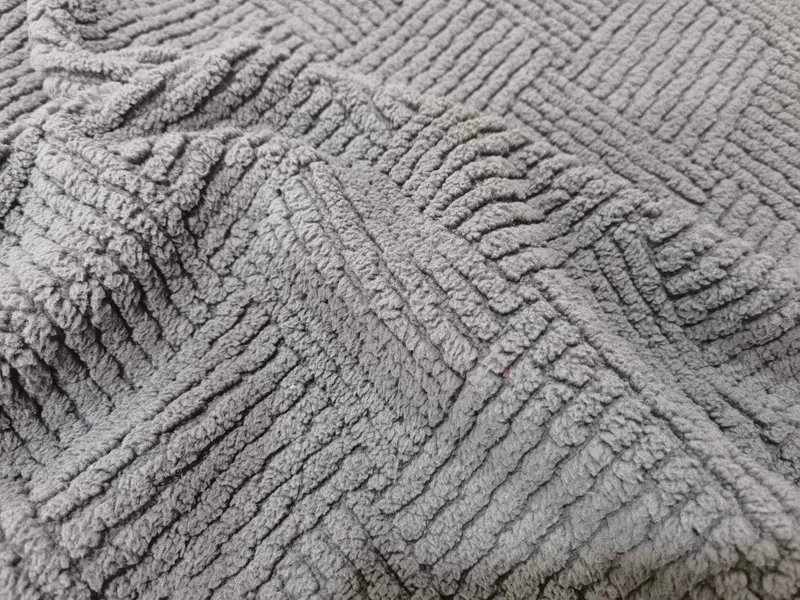
What can i make with fleece fabric when I need fast results? Many people buy Fleece Fabric, then run out of ideas. It is soft, warm, and easy to cut, so it fits quick projects.
In this guide, we focus on Home Textile Fabric makes you can finish and repeat. You will learn the best beginner items, how to choose fleece types, and simple no-sew and sewing tips. You will also see care rules that keep fleece looking good.
A fleece throw is the classic “first make” for good reason. It feels warm fast, and it drapes well on sofas. You can keep it simple, or add binding for a premium edge. For Home Textile Fabric lines, throws sell across seasons. They also suit printing and color blocks for fast refreshes. If you want a thicker feel, use double layers. If you want lighter weight, use microfleece on one side.
Blankets also scale well for production planning. You can cut them fast and reduce pattern waste. You can offer sizes for beds, travel, and kids. You can also bundle them as gift sets for retail. It is a low-risk entry item for many buyers.
Pillow covers give big visual change, yet need little fabric. They work well for Home Textile Fabric collections and seasonal drops. An envelope back is simple and avoids zippers. It also helps first-time makers finish quickly. Fleece Fabric adds cozy touch for winter styling and kids rooms. It also hides minor sewing errors, since pile softens lines.
For B2B, cushion covers help upsell matching sets. You can pair them with throws for higher cart value. You can also mix printed fleece fronts and solid backs. If you worry about bulk, choose thinner fleece for seams. Then keep seam allowances narrow and press lightly.
Fleece is gentle and warm for baby items, yet you must choose safe builds. A stroller blanket is a common option. It is small, easy to carry, and quick to wash. A play mat cover also works, since fleece feels soft on skin. For Home Textile Fabric buyers, these items need stable color and low shedding.
You should test for pilling and fiber release after washing. You should also avoid heavy trims near baby faces. If you add a backing, pick breathable layers for comfort. A simple topstitch can keep layers flat and neat. These steps raise trust and reduce complaints.
Pets love fleece, and owners love easy washing. A crate liner uses simple rectangles and basic seams. A pet bed cover can wrap foam and zip closed, or use an envelope flap. For Home Textile Fabric sellers, pet items open a strong niche. They also use scrap efficiently during cutting.
Fleece Fabric also hides fur and small stains better than smooth fabric. Yet nails can snag loose pile, so density matters. If you want better wear, pick anti-pill fleece for the top. Then use a tougher backing for the underside. It keeps shape and reduces sliding on floors.
Accessories use little yardage and sell well as add-ons. Scarves are simple, since fleece does not fray. Ear warmers are fast and fit many sizes. Mittens take more shaping, yet still suit beginners. These items also work as team gifts and event merch. They can carry logos through embroidery or patch labels.
For Home Textile Fabric buyers, accessories can support brand storytelling. They also help use leftover fleece from larger cuts. If you plan bulk production, standardize sizes and seam steps. It keeps labor predictable and improves consistency across batches.
Small fleece gifts feel thoughtful, yet stay easy to make. A fleece gift bag works for holidays and party favors. A bottle sleeve keeps drinks cold and hands dry. A tablet sleeve protects screens and adds soft padding. Simple organizers can hold cables or cosmetics for travel. These projects also help reduce scrap waste.
They also fit “impulse buy” displays in shops. For B2B, small items can test new prints and colors. They also support low MOQ programs for quick market checks. If you want higher perceived value, add neat topstitching and a woven label.
Project idea | Skill level | Typical time | Best fleece choice |
Throw blanket | Beginner | 30–90 minutes | Polar fleece or microfleece |
Envelope pillow cover | Beginner | 45–90 minutes | Anti-pill fleece |
Stroller blanket | Beginner | 30–60 minutes | Microfleece, soft hand |
Pet crate liner | Beginner | 45–120 minutes | Anti-pill top, tougher bottom |
Gift bag or sleeve | Beginner | 20–60 minutes | Printed fleece for impact |
Tip:For B2B packs, pair one “hero item” and two small add-ons.
Polar fleece is the workhorse option for many makes. It feels warm, has body, and stays easy to sew. It suits blankets, pet liners, and basic cushions. Microfleece is thinner and smoother, so it layers well. It also dries faster after washing. For Home Textile Fabric lines, microfleece fits travel throws and baby items.
Warmth depends on loft and density, not only thickness. Polar fleece can feel warmer in drafts, since it blocks airflow better. Microfleece can feel warmer indoors, since it breathes slightly more. If you need clean prints, microfleece often shows details better. Your end use should guide the choice.
Sherpa fleece gives a “teddy” look and high loft feel. It can feel warmer due to trapped air in the texture. Plush fleece can also feel very cozy on touch. They work well for throws, robes, and winter decor. For Home Textile Fabric collections, they help premium positioning.
They can also add sewing challenges. Thick loft creates bulky seams and slow feeding. It can also shed fibers during cutting. If you plan production, you need clean cutting and vacuum control. You also need seam plans that reduce stacking at corners. A thinner backing layer can help balance warmth and manage bulk.
Sweatshirt fleece is different from polar fleece. It has a smooth face and a soft brushed back. It works well for casual homewear, hoodies, and lounge pants. It also suits throw blankets that need a cleaner outer face. For Home Textile Fabric buyers, it can bridge apparel and home categories.
It usually drapes better than polar fleece, so it feels less bulky. It also supports rib trims and structured seams. Yet it can fray more than polar fleece, so edge finishing matters. If you plan dual-use programs, you can source matching colors for sets. Then you can sell it as coordinated comfort collections.
Anti-pill fleece resists the fuzzy balls people dislike. It matters for sofa throws and pet items, since they see friction. Printed fleece helps seasonal designs and fast product refreshes. It also helps brand identity on Home Textile Fabric items. Yet printing can change hand feel slightly. Some prints feel firmer on the surface.
You should test prints after washing to check fade and stiffness. You should also check if the print cracks under stretching. For B2B, it helps to request lab dips and wash tests early. It also helps to align print direction during cutting. That keeps patterns consistent across finished goods.
Fleece type | Best uses | Feel and warmth | Common buyer watchouts |
Polar fleece | Throws, pet liners, cushions | Warm, stable, easy sewing | Bulk at seams |
Microfleece | Travel throws, baby items | Light, smooth, quick dry | Less wind blocking |
Sherpa fleece | Premium throws, cozy decor | Lofty, very cozy | Sheds during cutting |
Sweatshirt fleece | Lounge sets, clean-face throws | Drapey, soft inside | Edge finishing needed |
Anti-pill fleece | High-rub items | Keeps look longer | Slightly higher cost |
Note:Ask for wash and rub results before large Home Textile Fabric runs.
Tie blankets are a classic no-sew fleece project. You cut two layers and tie fringe around the edges. It looks fun and feels warm. A fringed scarf is even faster, since it uses one layer and simple cuts. Fleece Fabric does not fray, so you can skip hemming.
For cleaner results, keep fringe widths even. Use a ruler or template to speed cutting. Avoid very thick sherpa for knots, since it becomes bulky. If you want a neat look, use microfleece and shorter fringe. These items also work well for quick Home Textile Fabric kits.
Fleece scraps can become small toys and soft decor. You can sew simple shapes, soft balls, or mini pillows. It helps reduce waste after cutting bigger items. It also supports gift bundles for Home Textile Fabric brands.
Choose tighter fleece for toys, since it sheds less. Avoid tiny parts for children. Use hand stitches or fabric-safe glue for small runs. Add faces through embroidery for a safer finish. These projects also help test new prints fast.
A simple wrap works as a lap blanket or shoulder shawl. It needs minimal shaping and fits most users. Reusable covers also sell well, like hot water bottle covers or strap pads. They feel personal and work as event gifts.
These items use narrow yardage and offcuts, so they can improve yield. They ship cheaply and stack well in stores. Use simple closures like snaps or hook-and-loop. Round edges reduce corner bulk and help the finish look cleaner.
Scraps can become coasters, draft stoppers, cleaning pads, or patchwork gift bags. They reduce disposal cost and support sustainability messaging. For Home Textile Fabric planning, they also raise value from leftovers.
Standardize scrap sizes during cutting for faster assembly. Bundle scraps by color palette for a more intentional look. You can sell them as craft packs or DIY kits, which builds community and reduces dead stock.
Tip:Offer “scrap kits” as add-ons to improve fabric yield value.
Fleece can show a nap direction under light. Mixed nap can look like mismatched panels. Mark nap and keep it consistent across pieces. Printed fleece also needs motif alignment for a cleaner look.
Use sharp rotary blades for smoother edges. Keep fabric flat to avoid stretching while cutting. Reduce layers for thick fleece, since stacked cuts shift easily. Label cut stacks to prevent flipped parts in production.
Fleece can stretch and make seams wave. A ballpoint needle helps it feed cleanly. A longer stitch length reduces puckering. A walking foot can also help on thick layers.
Test settings on scraps first. Adjust tension until seams lie flat. If stitches skip, change needle size before changing thread. Polyester thread works well, since it is strong and slightly stretchy. Stable seams reduce returns for Home Textile Fabric lines.
Bulk is the most common fleece issue. Trim seam allowances and grade layers to reduce thickness. Clip corners carefully, then turn and smooth. If you bind edges, choose thinner binding to avoid stiffness.
Plan sewing order to avoid stacking many layers at one point. Sew pockets before side seams when possible. Use zippers made for thicker fabric and longer tapes for easier handling. These steps make fleece look store-ready.
Fleece does not fray like woven fabric, so you have options. Raw edges suit casual items and fast output. Topstitching adds a cleaner line. Binding adds a premium border and helps shape stability.
Pick the finish based on the product level. Luxury throws often need binding and neat corners. Kids items can use raw edges and rounded shapes. Keep finishing consistent across SKUs for Home Textile Fabric collections.
Note:Edge finish often sets perceived value more than fleece thickness.
Pilling comes from friction and heat. Anti-pill fleece helps, yet care still matters. Wash in cool water on gentle cycles. Turn items inside out to protect the surface. Avoid heavy loads, since they increase rubbing.
Dry on low heat or air dry. High heat can flatten loft and raise static. For Home Textile Fabric sellers, care labels should match your tests. Clear care advice protects reviews and lowers support tickets.
Fleece dries fast, since it holds little water. It can still feel warm when slightly damp. Heat, though, can damage loft and shape. Avoid placing items near heaters. Hot washing can also distort seams on some blends.
Avoid direct ironing on fleece. If you must press, use low heat and a cloth barrier. For B2B, test size change after washing to control fit for covers and liners.
Static is common in dry seasons. Lower heat drying helps reduce it. Dryer balls can cut friction and improve loft. A light anti-static spray can help, but use it sparingly to avoid residue.
Softness depends on clean rinsing and gentle drying. If fleece feels stiff, detergent build-up may be the cause. Use less detergent and add an extra rinse. Soft hand feel supports comfort and repeat orders in Home Textile Fabric.
Recycled fleece is popular for sustainability claims. Performance still varies, so test pilling, shedding, and seam strength. Better design also improves sustainability through longer life.
Use darker colors in high-rub zones to hide early pilling. Add replaceable covers for pet beds and cushions. Longer wear reduces waste and supports stronger brand trust.
Tip:Durability claims need wash tests plus real rub checks on finished items.
So, what can i make with fleece fabric ? You can start small and still get great results. Fleece Fabric works for throws, pillow covers, baby blankets, pet liners, and simple gifts. Home Textile Fabric success comes from picking the right fleece type, then keeping seams and edges clean.
If you want steady supply and flexible options, work with Suzhou Yuanchu New Material Technology Co., Ltd.. They support custom specs and quick sampling, so you can build cozy fleece collections faster and waste less fabric.
A: Start with throws, pillow covers, and simple gift sleeves. These Home Textile Fabric items need basic cuts and simple seams.
A: It is soft, warm, and it does not fray. Home Textile Fabric makers also like its fast cutting and quick finishing.
A: Microfleece feels light and dries fast. For Home Textile Fabric baby pieces, test shedding and softness after washing.
A: Use a ballpoint needle and longer stitches. For Home Textile Fabric runs, test settings on scraps before bulk sewing.
A: It often costs more but looks better longer. For Home Textile Fabric throws and pet items, it can reduce pilling complaints.


