
- All
- Product Name
- Product Keyword
- Product Model
- Product Summary
- Product Description
- Multi Field Search


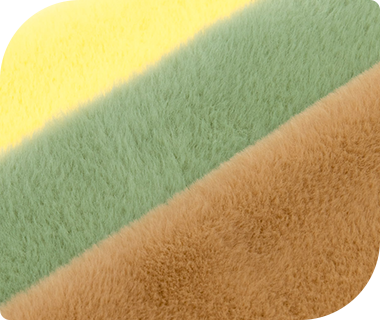
Is faux rabbit fur warm enough for real winters? Many people touch it once and still feel unsure. Faux Rabbit Fur can trap air, yet its warmth changes by pile, backing, and how you use it.
In this guide, we focus on Home Textile Fabric for throws, blankets, and décor. You will learn what makes faux fur feel warmer or cooler, how it compares to real rabbit fur, and how to pick samples that keep loft over time.
Warmth comes from still air pockets. Faux Rabbit Fur creates them through its pile. When you cover your skin, your heat warms that air. The pile slows air movement, so heat stays longer. This works well for Home Textile Fabric throws and blankets. It also helps on cushion covers in cold rooms. Yet context matters a lot. A draped throw blocks drafts better than a flat cover. A lining under the faux fur can boost warmth fast. So we should judge warmth by end use, not by hand feel alone.
Note:Warmth depends on trapped air and draft control, not fiber type alone.
Pile height affects warmth and softness together. Longer pile can trap more air near the surface. Yet density often matters more than height. Dense pile blocks airflow and reduces cold spots. Sparse pile may look fluffy, but it leaks drafts. Compression also changes the result. When you sit on it, the pile flattens. It holds less air, so it feels cooler there. For Home Textile Fabric, we can reduce this issue. We can choose better pile resilience. We can also add a loft layer under the surface. That keeps warmth more stable during real use.
Backing controls airflow through the fabric base. A tighter backing reduces draft and heat loss. A loose backing can feel chilly in moving air. Linings also change warmth quickly. They block wind and protect the pile. Quilting adds loft and keeps warmth longer. Foam bonding can feel warm too, yet it can reduce breathability. For Home Textile Fabric, we should pick the lightest build that meets comfort goals. It keeps cost and weight under control. It also makes care easier for end users.
Build choice | Warmth effect | Common trade-off |
Dense pile | Traps more surface air | Higher cost, slower drying |
Tight backing | Reduces draft leakage | Less stretch, less airflow |
Added lining | Blocks wind, adds comfort | Higher weight, more sewing |
Quilted loft layer | Adds insulation and structure | Bulkier storage and shipping |
Some people feel too warm indoors under faux fur. Faux Rabbit Fur can breathe less than many natural options. Synthetic pile can trap heat and moisture together. If a room is heated, it may feel stuffy. This matters for sofa throws and bed runners. The fix often comes from balance. Choose moderate pile density for indoor-only products. Use a backing that allows some airflow. Avoid overly sealed linings for warm climates. If you sell across regions, seasonal SKUs help. They match comfort needs and reduce “too hot” complaints.
Real rabbit fur often feels warm for its weight. Its fine structure traps air very efficiently. Faux Rabbit Fur can also feel warm, especially in home settings. In mild cold, many users feel little difference. In strong wind, real fur can feel warmer per layer. Comfort also depends on how the fabric drapes. A good faux fur drapes well and seals gaps. A stiff one leaves cold channels around shoulders. For Home Textile Fabric, construction can close that gap. A lining or quilted core can make faux fur feel more consistent.
Breathability is a common difference buyers notice. Natural fur can feel warm and less sealed on skin. Faux Rabbit Fur may trap moisture more easily. Over time, it can feel clammy in warm rooms. This matters for robe linings and blankets. You can improve comfort through layering choices. A breathable backing helps. A moisture-friendly lining can help too. Buyers should test comfort in real conditions. Drape it for ten minutes in a warm room. Then check how it feels on the neck and wrists. Those areas reveal moisture build-up quickly.
Good Faux Rabbit Fur can feel very soft and smooth. It can suit products used near the face and hands. Lower-grade versions can feel scratchy at the tips. They may also shed more in early use. Skin feel can change after washing. Some piles mat and lose glide. So buyers should not approve only fresh swatches. Ask for a post-wash hand feel check. Rub it against a cotton shirt to mimic real contact. If it feels harsh after care, comfort claims may fail. It is better to find that early during sampling.
Tip:Approve softness after washing, not only on new swatches.
Airflow is the fastest way to lose warmth. Moving air pulls warm air out of the pile. Even indoors, drafts from doors and vents matter. Faux Rabbit Fur feels warmer when it blocks that flow. Dense pile helps, but backing helps more. If you use it under a shell, warmth rises again. For Home Textile Fabric, placement also matters. Throws near windows face more drafts. Bed throws near vents face shifting airflow. You can solve it through design, like adding a light lining. You can also add simple user guidance on placement.
Weight can help drape, but it does not guarantee warmth. A well-draping fabric seals gaps and holds warm air longer. A stiff fabric bridges over the body and leaks heat. Compression also changes warmth during use. Sitting or leaning flattens pile and reduces insulation. That is why seat areas feel cooler than loose edges. Buyers can screen this risk fast. Press the pile for ten seconds, then release it. Watch how fast it rebounds. Better rebound usually means better loft retention. Loft retention supports warmth over many cycles of use.
Layering can upgrade warmth without changing the surface look. Faux Rabbit Fur works well as a comfort layer. Pair it with a woven shell to block drafts. Pair it with a quilted core to hold warmth longer. Pair it with a soft back layer for double-sided comfort. For Home Textile Fabric throws, two-layer builds often feel more premium. Yet more layers can slow drying and raise cost. So we should match layering to lifestyle. Easy-care lines need simpler builds. Luxury lines can add loft and lining for richer warmth and drape.
Start from end use and climate. Then check specs that influence warmth. Ask for pile height, weight, and backing type. Ask how dense the pile looks in real light. If you see the base easily, warmth may drop. Ask about finish claims like anti-static or water resistance. Some finishes can reduce breathability. For Home Textile Fabric, also check shrinkage and width tolerance. They affect cutting yield and fit. Finally, request consistent lab dips or shade cards. It keeps product sets looking uniform in retail bundles.
You can screen warmth without lab equipment. Use the same quick checks each time. Keep notes and photos for fair comparison. These checks help you pick the right Faux Rabbit Fur early. They also help you explain choices to a team.
1. Draft check: hold it near a fan on low speed.
2. Palm heat check: cover your palm for one minute.
3. Compression check: sit on a folded swatch briefly.
4. Cold surface check: place it on tile for five minutes.
After each check, feel how fast warmth builds. Also feel how fast it fades after release. If results vary across the swatch, density may be uneven. That can create uneven warmth and uneven appearance in production.
Warmth drops when the pile mats or sheds. Those issues reduce trapped air and reduce coverage. So durability supports warmth in a direct way. Look for stable pile anchoring and a solid backing. Pull gently at the pile and watch fiber release. Then brush it and check base show-through. If the base appears quickly, loft may collapse faster. For Home Textile Fabric, rubbing happens daily on sofas. So rub resistance matters a lot. Ask suppliers how they control matting risk. Then test after a cleaning cycle that matches your market.
Buyer checkpoint | What it tells you | Next thing to request |
Pile rebounds after pressing | Better loft retention | Recovery test result (需要验证) |
Low shedding during shake test | Cleaner use, fewer complaints | Pile anchoring details |
Tight backing feel | Less draft leakage | Backing type and stretch range |
Stable hand feel after wash | Better long-term comfort | Care method and shrinkage data |
Cleaning can flatten pile and reduce warmth quickly. The goal is gentle cleaning and low friction. If the label allows washing, use a gentle cycle and cold water. Use mild detergent and skip bleach. Avoid heavy loads, since they crush the pile. For delicate items, hand washing can reduce matting. Rinse well, since residue can stiffen pile tips. If tangles appear, do not pull them hard. Let it dry partly, then comb it gently. These steps help Faux Rabbit Fur stay fluffy and warm over many uses.
Drying controls loft more than most people expect. High heat can warp synthetic fibers and flatten pile. Air drying on a flat surface is often safest. If you tumble dry, use low heat and short cycles. Stop early, shake it out, then finish air drying. Storage also matters because long compression reduces loft. Store it loose in breathable bags. Avoid long-term vacuum storage for plush items. Keep it away from direct sunlight to reduce fading. Fluffy pile traps more air, so it keeps warmth better. Good storage protects both comfort and appearance.
Note:Avoid high heat near heaters, since synthetic pile can deform.
Flattening happens after pressure and washing. You can often restore loft using gentle brushing. Light steaming can help too if done carefully. Keep the steamer moving and keep distance. Then brush the pile in its natural direction. Do not soak the backing, since it can stretch. Static is also common in dry seasons. It can make the pile cling and attract dust. Use a light anti-static spray made for textiles. Keep it minimal to avoid residue. If static drives complaints, consider anti-static fiber options. They can improve comfort and reduce maintenance needs.
Issue | What causes it | Simple fix |
Matting | High friction or heat | Gentle wash, low heat drying |
Flat pile | Long compression | Shake, brush, light steam |
Static cling | Dry air and synthetics | Anti-static spray, higher humidity |
Odor build-up | Damp storage | Air dry fully, breathable storage |
So, is faux rabbit fur warm? It often feels cozy, since it traps still air in the pile. For Home Textile Fabric, warmth depends on density, backing, and draft control. We should test samples for loft, drape, and comfort in real rooms.
If you want stable warmth at scale, choose Faux Rabbit Fur from Suzhou Yuanchu New Material Technology Co., Ltd.. They support custom specs and fast sampling, so you can match climates, reduce scrap, and keep a soft, premium hand.
A: It can feel warm because the pile traps air. In Home Textile Fabric, density and backing decide the real warmth.
A: Drafts pull heat from the pile fast. Add lining or choose tighter Home Textile Fabric backing to reduce airflow.
A: Run swatch checks for drape, rebound, and draft leakage. For Home Textile Fabric, test in the same room conditions.
A: It often feels warmer on touch, but fleece may breathe better. Pick Home Textile Fabric based on climate and comfort goals.
A: Not always. Loft and density matter more than weight. Good Home Textile Fabric keeps pile fluffy after compression.


