
- All
- Product Name
- Product Keyword
- Product Model
- Product Summary
- Product Description
- Multi Field Search


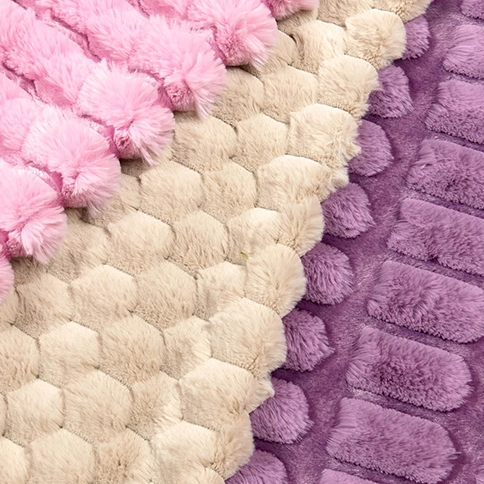
Can you dye plush fabric and still keep it soft? Many people try and end up with uneven color. Plush Fabric can absorb dye, but fiber and finishes decide results.
In this guide, we focus on Home Textile Fabric used for throws and cushions. You will learn how to check fiber content and test a small swatch. We will compare dye options for cotton, nylon, and polyester plush. You will also learn how to prevent bleeding, stiffness, and shedding.
Fiber content drives dye choice, shade depth, and fastness. Cotton and rayon plush usually dye easily, and they hold color well after proper fixation. Wool and nylon plush also dye well, yet they need careful heat control. Polyester plush is common in Home Textile Fabric, but it needs higher heat and tighter process control. If you do not know the fiber, you are guessing. Ask for a spec sheet and a lab report first. If you cannot get them, test a small piece. Even a basic fiber ID check can prevent a failed bulk run.
Plush Fabric is not one layer. The pile may be polyester, while the backing may be different. Or the pile may be nylon, while the backing uses a bonded resin. When layers differ, they can dye at different speeds. You may see pale seams, edge shade shifts, or a “shadow” near stitches. For Home Textile Fabric items, this becomes a visible defect. A simple check helps. Cut a small swatch and separate pile and backing if you can. Dye each piece in the same bath, then compare. If they behave differently, plan your design and sewing to hide risk.
Many Home Textile Fabric programs use finishes for value. You may see water repellency, stain resistance, anti-static, or antimicrobial treatments. These finishes can slow dye penetration, and they can create uneven shade. Start by scouring in warm water and mild detergent. Keep motion gentle to protect pile loft. Then rinse until water runs clear. After that, drip water on the surface. If it still beads, dye may sit on top and rub off later. In B2B, this shows up as poor crocking in tests and returns in use.
Note:If water beads on the surface, dye risk rises fast.
Dyeing works best on light base shades. White, cream, and pale gray give wide color freedom. Dark Plush Fabric cannot become lighter in a normal dye bath. It can only shift tone or deepen shade. Pile height also changes how color looks. Long pile scatters light and makes shades look softer. Short pile shows more backing and can look harsher. Two plush styles can share one dye recipe, yet look different. So approvals must use the final construction. For Home Textile Fabric, judge under warm indoor light and cool daylight. It reduces surprise after delivery.
A test swatch is not optional in bulk work. It is your cheapest insurance policy. Use a swatch from the same greige batch and the same finish state. Run the same pretreatment, then dye in the planned liquor ratio. After drying, check shade, loft, and hand feel. Then run quick rub tests on white cloth. Also do a small wash test in warm water. If you expect sunlight exposure, do a simple light check too. Record the exact steps and timing. Your next re-order will need the same recipe for consistency.
Cotton and rayon Plush Fabric often works well with reactive dyes. They can deliver strong wash fastness when fixation is correct. This matters for cushion covers, throws, and other washable Home Textile Fabric items. Direct dyes can be simpler, yet they may bleed more without strong after-wash control. For buyers, the key is process discipline. Keep pH and temperature stable during fixation. Then rinse deeply until bleed stops. Many failures come from rushed rinsing, not bad dyes. If you need pastel shades, lower concentration helps. Always confirm hand feel after finishing, since harsh chemistry can dull softness.
Wool and nylon plush usually dye well using acid dyes. They can produce bright shades and good leveling when the bath is controlled. Wool can shrink or felt if heat shocks it. So ramp temperature slowly and avoid sudden boiling. Nylon can absorb dye quickly, and it can streak on dense piles. Leveling agents can help, and so can slower dye addition. In Home Textile Fabric, nylon plush appears in durable trims and high-wear décor. After dyeing, neutralize and rinse well. It protects fiber strength and reduces odor issues in finished goods.
Polyester plush often needs disperse dyes and higher heat. Many mills run near 130°C in pressurized systems. Home methods often cannot hold stable heat long enough. The result can be pale shades, patchy areas, or poor fastness. For B2B, mill dyeing is usually the safer option. It reduces rework and scrap. If you must do small trials, use a controlled setup and keep motion steady. Then wash off loose surface dye to improve rub fastness. Polyester plush sits in many Home Textile Fabric categories, so buyers should plan dye control early in sampling.
Blends add complexity and also design value. A polyester-cotton blend may dye one part strongly and the other weakly. A polyester-nylon blend can shift into two-tone effects. First decide the desired look. If you need a uniform shade, plan a two-step dye approach. You dye the natural or nylon component first, then treat the polyester part. If you accept mélange, design it intentionally and approve it early. Ask suppliers for lab dips across blend ratios. Then lock a tolerance range in your spec. It prevents disputes when lots vary slightly.
Fiber type in Plush Fabric | Best dye family | Common Home Textile Fabric uses | Main risk to manage |
Cotton / Rayon | Reactive | Washable covers and throws | Bleeding from poor rinsing |
Wool | Acid | Warm trims and décor | Shrinkage from heat shock |
Nylon | Acid | Durable plush trims | Fast uptake and streaks |
Polyester | Disperse | Faux fur and upholstery | Heat limits and pale shades |
Blends | Two-step plan | Mixed-touch home items | Two-tone or uneven uptake |
Tip:Share fiber content and target shade early, before lab dips.
Prep is where even dyeing begins. Plush piles trap oils, dust, and processing aids. Those residues block dye and cause spotting. Start by scouring in warm water and mild detergent. Keep agitation gentle to protect pile structure. Rinse until water runs clear, then pre-wet fully. Dry pockets inside thick plush can create sudden “strike” and blotches. For Home Textile Fabric, backing wetting matters too. Give it time to soak, not just a quick dip. If the fabric still feels slick after scouring, plan more rinsing and a lower load in the bath.
A stable bath creates stable shade. Use enough liquor ratio to let Plush Fabric move freely. Crowding makes creases and creates shade lines. Add dye in steps, not all at once. Raise temperature gradually to improve leveling. Track pH if you use reactive or acid systems. Small pH shifts can change shade and fastness. For polyester systems, heat stability is even more critical. Buyers can also run three shades in one trial set. It shows saturation limits and helps pricing decisions. For Home Textile Fabric, record motion speed, time, and bath volume. It improves repeat orders.
Rinsing is where many projects fail. Plush pile holds loose dye like a sponge. If you ship it too soon, it will bleed in customer use. Rinse in multiple water changes until bleed stops. Then complete the correct fixation step for the dye family. Reactive dyes need proper fixation and thorough soaping. Acid dyes need pH control and a clean neutral finish. Disperse dyes often need clearing steps in mills. When you skip after-treatment, rub fastness drops fast. In Home Textile Fabric, poor rub fastness can stain light sofas or clothing. Buyers should demand a clear after-wash plan.
Drying can make or break the hand feel. Too much heat can flatten pile and harden backing. Use moderate heat and steady airflow. Avoid harsh spinning that twists pile into knots. After drying, brush pile gently to restore loft. For some styles, light tumbling can lift pile. Yet it can raise shedding on weak constructions. So test first on a small piece. Then inspect under bright white light to catch streaks. For Home Textile Fabric, also inspect seam zones and edge bindings. They show heat damage first. Finish by checking touch feel and rebound, not shade alone.
Process step | What to control | Practical target | Why it matters |
Scouring | Time and detergent level | Clean rinse water | Improves level dye uptake |
Dyeing | Temperature ramp and motion | Stable movement | Reduces streaks and creases |
Fixation | pH and timing | Match dye system | Locks shade into fiber |
Rinsing | Water changes | No visible bleed | Improves wash and rub fastness |
Drying | Heat and airflow | Moderate heat | Protects loft and softness |
Patchy shade often comes from poor wetting or crowding. Plush piles trap air and keep dye out. Pre-wet longer and press out air gently. Keep fabric moving during dyeing. Avoid tight folds and heavy bundles in the bath. For wide goods, open-width processing reduces crease marks. If you dye cut panels, rotate their positions on a set schedule. Then compare shade across the full length before cutting. In Home Textile Fabric, small shifts become obvious across a sofa set. Use a simple shade map and record where defects appear. It helps you spot the root cause faster.
Stiffness can come from overheating or harsh chemistry. It can also come from dye residue near the pile surface. Reduce alkali exposure on delicate piles. Rinse more and consider a softening step if suitable. Test softeners because they can reduce rub fastness on upholstery. If pile tips feel crunchy, you may have heat damage or resin issues. Check the backing type and bonding method. Some bonded backings harden under heat. In that case, lower drying heat and reduce dye bath stress. For Home Textile Fabric, hand feel is part of brand value. Do not trade it for shade depth.
Bleeding often signals weak fixation or weak rinsing. It can also reflect the wrong dye type for the fiber. Use dye families designed for the fiber, not “universal” shortcuts. Then run structured after-wash steps and verify results. For B2B, ask for wash fastness and crocking results per your market standards. If you sell light décor, test staining on white fabric too. Light exposure matters in sunny rooms and window seats. If you cannot test in-house, request reports from the dye house. In Home Textile Fabric, clear fastness proof reduces claims and returns.
Shedding can rise after wet processing. Heat and motion can weaken pile anchoring on poor bases. Check pile pull strength before dyeing. Then keep agitation gentle and avoid harsh extraction. After drying, brush pile using a wide tooth tool. If matting stays, pile density or construction may be too tight. In that case, adjust the base fabric before color development. It costs less than fixing finished goods. For Home Textile Fabric, shedding also creates customer complaints and cleaning issues. Buyers should include shedding checks in pre-shipment inspection.
Symptom | Likely cause | Quick check | Practical fix |
Patchy shade | Poor wetting or crowding | Dry spots after soak | Longer pre-wet, lower load |
Stiff hand feel | Heat shock or residue | Crunchy pile tips | Moderate heat, deeper rinse |
Bleeding | Poor fixation | Stains on rinse cloth | Correct pH, longer fixation |
Shedding | Weak pile anchoring | Pile pull test fails | Gentler processing, better base |
Note:Fastness tests reduce disputes in large Home Textile Fabric orders.
Overdye can be practical when you move from light to darker shades. It can save time when stock goods must match a new palette. Yet it adds risk when finishes resist dye or when lots vary. Re-covering uses pre-dyed yardage and lowers process uncertainty. It also supports tighter shade match across multiple furniture pieces. For Home Textile Fabric, shade match is strict across sets. So overdye can raise scrap risk and delay shipments. Model your decision using three factors. Check shade tolerance, check fastness targets, and estimate scrap probability. If order value is high, stable supply often wins.
Pigments and textile paints can recolor plush surfaces. They work best for small areas, trims, or effects. They can also handle cases where dye cannot penetrate. Yet pigments sit near the surface and can change touch. They may also reduce breathability and drape. For bedding or skin-contact items, this can feel unpleasant. If you use pigments, apply thin layers and cure properly. Then test rub transfer, both dry and damp. In Home Textile Fabric, pigment transfer can stain sofas and clothes. Use it only when the product design accepts the trade-off, and when you can test it well.
Custom dyeing at the mill often gives the best balance. Mills can control temperature, pH, motion, and after-wash steps. They can also run lab dips and match color targets more consistently. For Home Textile Fabric, ask for approval dips under the same lighting used in stores. Add fastness targets into your purchase order. Include wash fastness, rub fastness, and light performance targets. Then lock the recipe for repeat orders. This approach supports scale and reduces rework. It also supports cleaner QA documentation for your customers and auditors. Many buyers treat it as the default route for plush goods.
Tip:Write shade tolerance and fastness targets into the PO terms.
Can you dye plush fabric ? Yes, but results depend on fiber, finishes, and control. Start by checking Plush Fabric content and backing, then test a small swatch. Choose the right dye type, keep heat and rinsing steady, and verify colorfastness for Home Textile Fabric.
If you need stable color at scale, work with Suzhou Yuanchu New Material Technology Co., Ltd.. They supply Plush Fabric and faux fur options, plus flexible specs and reliable support. It helps you reduce waste, keep softness, and deliver consistent home textile quality.
A: Yes, but results depend on fiber and finishes. For Home Textile Fabric, test a small swatch first.
A: Finishes, trapped air, and crowded dye baths cause patchy color. Keep Home Textile Fabric fully pre-wet and moving.
A: Polyester often needs disperse dye and high heat. Many Home Textile Fabric polyester plush styles dye better at a mill.
A: Use the right dye family and rinse deeply until water runs clear. Proper fixation improves Home Textile Fabric fastness.
A: Often yes. Mill control improves shade repeatability and reduces scrap for Home Textile Fabric production.


