
- All
- Product Name
- Product Keyword
- Product Model
- Product Summary
- Product Description
- Multi Field Search
Views: 0 Author: Site Editor Publish Time: 2025-11-09 Origin: Site


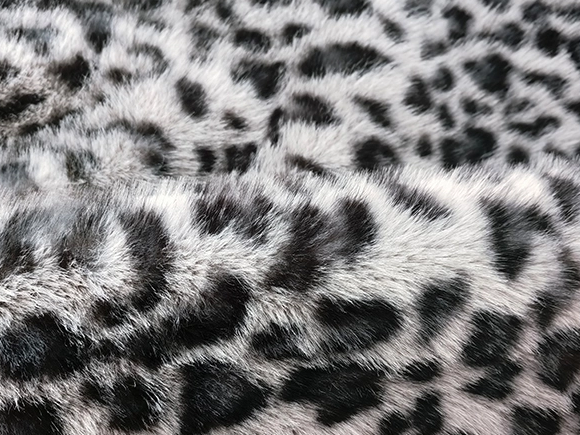
The allure of faux fox fur fabric has captivated the fashion and textile industries, marking a significant shift in consumer preferences towards sustainable and ethical alternatives. As the demand for eco-friendly products rises, faux fox fur has emerged as a popular choice, offering the luxurious feel of real fur without the ethical concerns. This article delves into the top five reasons why faux fox fur wins hearts, exploring its applications, benefits, and the growing trend of plush accessories fabric in modern design.
One of the primary reasons faux fox fur fabric is gaining popularity is its eco-friendly nature. Traditional fur production has long been criticized for its environmental impact, including habitat destruction and high carbon emissions. In contrast, faux fur is manufactured using synthetic fibers, significantly reducing the ecological footprint. The production process of faux fox fur often involves recycled materials, further enhancing its sustainability. This shift towards environmentally conscious choices is not only beneficial for the planet but also aligns with the values of modern consumers who prioritize sustainability in their purchasing decisions.
Moreover, the fashion industry is increasingly adopting sustainable practices, with many brands incorporating faux fur into their collections. This trend is supported by advancements in textile technology, allowing for the creation of high-quality faux fur that mimics the texture and appearance of real fur. As a result, consumers can enjoy the luxurious feel of fur without contributing to environmental degradation. The rise of faux fox fur fabric reflects a broader movement towards sustainable fashion, where ethical considerations are at the forefront of design and production.
Ethical concerns surrounding animal welfare have been a driving force behind the shift towards faux fox fur. The fur industry has faced significant backlash due to the inhumane treatment of animals, leading to a growing demand for cruelty-free alternatives. Faux fur offers a solution by providing the aesthetic appeal of real fur without harming animals. This ethical advantage is particularly appealing to consumers who are conscious of animal rights and seek to make compassionate choices in their fashion purchases.
In addition to individual consumer preferences, many fashion brands are also responding to ethical concerns by banning the use of real fur in their collections. High-profile designers and retailers have publicly committed to using only faux fur, setting a precedent for the industry and encouraging others to follow suit. This shift is not only a response to consumer demand but also reflects a broader societal movement towards ethical consumption. By choosing faux fox fur, consumers can enjoy stylish and luxurious fashion while supporting animal welfare and promoting ethical practices within the industry.
Faux fox fur fabric is renowned for its versatility and aesthetic appeal, making it a popular choice for a wide range of applications. From fashion garments to home décor, faux fur adds a touch of luxury and sophistication to any design. Its soft texture and realistic appearance closely mimic real fur, allowing designers to create visually stunning pieces that captivate consumers. The versatility of faux fox fur extends beyond traditional fashion, with applications in accessories, upholstery, and even plush toys.
The adaptability of faux fox fur is further enhanced by the variety of colors and patterns available. Unlike real fur, which is limited by the natural coloration of the animal, faux fur can be dyed in an array of hues, offering endless design possibilities. This flexibility allows designers to experiment with bold and creative styles, catering to diverse consumer preferences. Whether used as a statement piece or a subtle accent, faux fox fur adds an element of elegance and charm to any ensemble or interior space.
Another compelling reason for the growing popularity of faux fox fur is its cost-effectiveness. Real fur is often associated with high price tags due to the costs involved in breeding, raising, and processing animals. In contrast, faux fur is produced using synthetic materials, which are generally more affordable. This cost advantage makes faux fox fur accessible to a broader range of consumers, allowing them to enjoy the luxurious feel of fur without the financial burden.
The affordability of faux fox fur also extends to its maintenance. Real fur requires specialized care to preserve its quality, including professional cleaning and storage. Faux fur, on the other hand, is relatively easy to care for and can often be machine washed or spot cleaned, reducing the overall cost of ownership. This practicality, combined with its aesthetic appeal, makes faux fox fur an attractive option for consumers seeking luxury without the associated expenses.
Durability is a key factor in the appeal of faux fox fur fabric. Unlike real fur, which can be susceptible to damage from environmental factors such as moisture and pests, faux fur is designed to withstand wear and tear. The synthetic fibers used in its production are resilient and long-lasting, ensuring that faux fur garments and accessories maintain their appearance over time. This durability is particularly advantageous for consumers seeking investment pieces that will endure through changing fashion trends.
In addition to its physical durability, faux fox fur also offers longevity in terms of style. The timeless appeal of fur has made it a staple in fashion for centuries, and faux fur continues this tradition by offering a modern and ethical alternative. As consumer preferences evolve, the demand for sustainable and cruelty-free products is likely to persist, ensuring that faux fox fur remains a relevant and desirable choice. By investing in faux fur, consumers can enjoy the enduring elegance of fur while supporting ethical and sustainable practices.
In conclusion, the rise of faux fox fur fabric is a testament to the changing landscape of consumer preferences and industry practices. Its eco-friendly and ethical advantages, combined with its versatility, cost-effectiveness, and durability, make it a compelling choice for modern consumers. As the demand for sustainable and cruelty-free products continues to grow, faux fox fur is poised to remain a popular and influential trend in the fashion and textile industries. By embracing faux fur, consumers can enjoy the luxurious feel of fur while supporting ethical and sustainable practices, making it a win-win for both fashion enthusiasts and the planet. For more information on the applications and benefits of faux fox fur, explore the extensive range of faux fox fur fabric available today.


