
- All
- Product Name
- Product Keyword
- Product Model
- Product Summary
- Product Description
- Multi Field Search
Views: 0 Author: Site Editor Publish Time: 2026-08-27 Origin: Site


Designing successful outerwear demands precise material choices. A poorly selected textile ruins the entire production run. You need materials delivering reliable thermal regulation. Consumers expect modern outerwear to feel lightweight. Selecting the right winter clothing fabric requires balancing thermal insulation, structural drape, and end-user care requirements. For designers and apparel manufacturers, poor material choices lead to production bottlenecks, high return rates, and compromised garment longevity.
We created this comprehensive guide to simplify your sourcing process. This guide evaluates top-tier synthetic and alternative textiles—specifically faux mink and faux wool—against traditional benchmarks, providing a clear framework for selecting the optimal material for cold-weather apparel. You will learn exact evaluation metrics. We also cover practical manufacturing considerations. You can confidently build collections combining extreme warmth, striking visual appeal, and long-lasting durability.
Thermal Efficiency vs. Weight: Not all heavy materials trap heat effectively; modern synthetic blends prioritize high warmth-to-weight ratios suitable for layering.
Faux Mink for Luxury Applications: Faux mink fabric delivers premium aesthetics and soft hand-feel, best utilized in outerwear shells or high-end trims, though it requires specific handling during cutting.
Faux Wool for Structural Integrity: Faux wool fabric offers the visual weight and wind resistance of natural wool but with enhanced hypoallergenic properties and predictable machine-washable variations.
Care Constraints Drive Decisions: Post-purchase maintenance (e.g., dry-clean only vs. machine washable) dictates consumer satisfaction and should be a primary factor in fabric selection.
Creating functional cold-weather apparel starts before cutting patterns. You must establish strict baseline metrics for every fabric roll. Evaluating a garment fabric requires looking beyond mere thickness. You need materials offering dynamic performance across varied climates.
Assess how the textile traps ambient air. True insulation relies on creating dead air spaces. Heavy materials do not automatically guarantee superior warmth. Dense fibers often conduct cold rapidly instead. Modern multi-layering systems demand low-bulk insulation. Consumers wear multiple layers during extreme weather conditions. Your chosen textile must integrate smoothly over chunky sweaters. Highly efficient blends maximize heat retention seamlessly. They simultaneously eliminate restrictive arm mobility. You must prioritize materials offering high clothing insulation values. This approach guarantees warmth sans exhausting bulk.
Evaluate textile behavior directly under the needle. Thicker textiles challenge standard industrial machines constantly. Factory floors might require specialized walking-foot sewing machines. Assess fraying risks along raw cut edges early. Seam slippage destroys structural integrity quickly. Needles often struggle penetrating dense synthetic backings. You should run preliminary stitch tests immediately. Document needle breakage rates carefully during sampling. Evaluate thread tension requirements before bulk production. These crucial manufacturing details impact production timelines heavily.
Factor consumer maintenance constraints into your initial decisions. Complicated washing instructions annoy busy consumers immensely. Specialized dry cleaning requirements create purchase hesitation. Buyers want accessible laundering options today. Easily laundered synthetic blends reduce consumer frustration effectively. They provide an undeniable competitive edge. Analyze typical care labels across similar market competitors. You should align material choices directly against consumer lifestyle expectations. High-maintenance garments often suffer high return rates.
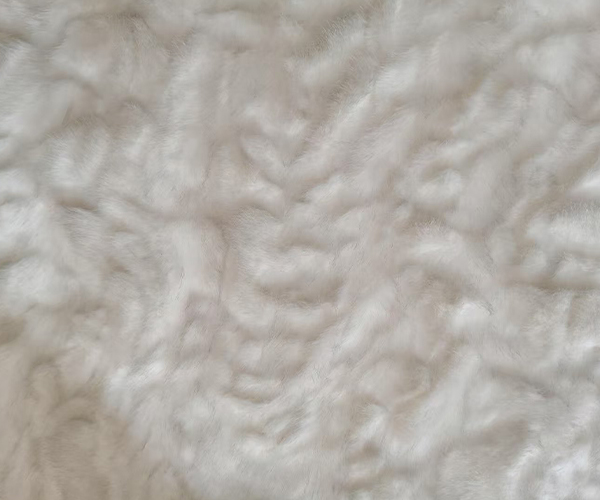
Luxury collections demand premium textures. Designers continuously seek cruelty-free alternatives delivering opulent finishes. A quality faux mink fabric answers this demand perfectly. It provides unparalleled softness alongside stunning visual depth.
We break down the typical acrylic and polyester blends here. Manufacturers extrude these synthetics meticulously. They mimic the dense, short pile characterizing natural mink pelts. This complex engineering creates exceptional surface softness. Modern microfiber technology elevates the tactile experience further. These microscopic fibers reflect ambient light beautifully. You get a luxurious sheen imitating animal pelts flawlessly. The structured backing canvas holds these fibers securely. It prevents bald patches during aggressive daily wear.
You will find this material dominating luxury winter coats. It works perfectly for statement collar elements. Cuff trims benefit greatly from its dense structure. Designers also utilize it for highly insulating internal linings. The dense pile blocks biting winter winds effectively. Urban fashion brands deploy it for stylish cropped jackets. It elevates eveningwear outerwear instantly. You can upgrade simple silhouettes using strategic mink-like paneling.
Handling high-pile textiles requires specialized factory protocols. Careless manufacturing ruins expensive raw yardage quickly. Consider these primary implementation risks:
Nap Direction: You must cut all pattern pieces uniformly. The pile points in one specific direction naturally. Inverting pieces causes terrible shading inconsistencies. Light hits the inverted pile differently. It creates mismatched panels on the finished garment.
Shedding Control: Raw edges shed aggressively during the cutting phase. Factory floors quickly accumulate loose synthetic fibers. You should serge or bind edges immediately after cutting. This vital step prevents widespread shedding before final hemming.
Seam Bulk: Stitching multiple layers creates immense seam thickness. Operators must shave down the seam allowances. This reduces rigid, uncomfortable seams inside the coat.
Tailored outerwear requires rigid structural integrity. Soft furs cannot hold sharp architectural shapes. You need textiles maintaining crisp tailoring under harsh conditions. An engineered faux wool fabric delivers this necessary stability.
Natural merino wicks internal moisture beautifully. Sheep's wool holds a prestigious historic pedigree. However, synthetic blends provide immense durability advantages. Quality faux alternatives bring vital cost-efficiency. They inherently resist destructive moth infestations completely. You avoid insect damage during long seasonal storage. Natural wool triggers severe allergic reactions occasionally. Synthetic versions offer completely hypoallergenic wearing experiences. This broadens your potential consumer base significantly.
Designers love perfectly structured winter wear. Trench coats require exceptionally sharp tailoring. Heavy winter skirts need reliable, sweeping drape. Faux wool excels across these demanding applications. It retains shape beautifully after repeated daily wearing. The synthetic fibers resist unsightly sagging completely. You get perfectly sharp collars effortlessly. Crisp hemlines stay rigid throughout the season. The dense weave acts as an effective windbreaker.
High-friction areas face extreme daily stress. Underarms and cuffs often pill aggressively. Short staple fibers break loose and tangle together. You must address these common friction risks early. Tighter fabric weaves mitigate early degradation effectively. Specific polyester-viscose fiber blends resist abrasion naturally. Always conduct aggressive rub-tests using physical swatches. Simulate standard arm movement friction during testing. Choose anti-pilling finishes for prolonged garment lifespans.
Selecting the ultimate warm garment fabric requires objective benchmarking. We must measure these modern synthetic innovations against legacy materials. Objective testing strips away mere marketing claims.
We observe faux alternatives performing against down, fleece, and pure cashmere. Cashmere offers supreme lightweight warmth. Down rules extreme sub-zero cold environments. However, heavy synthetic options trap dead air exceptionally well. Dense faux structures prevent icy wind penetration. Advanced thermal mannequins prove synthetic wools retain core body heat. They match natural sheep shearling up to freezing temperatures. Layering thin fleece beneath faux outer shells maximizes total insulation.
You must weigh upfront procurement costs carefully. Compare them directly against the perceived retail garment value. Animal-derived materials inflate retail pricing exponentially. Genuine cashmere restricts your target demographic severely. Synthetics allow aggressive, profitable markups. You maintain highly accessible consumer price points simultaneously. A well-constructed synthetic coat commands premium retail prices easily. The visual finish matters more than natural fiber content.
Examine the holistic environmental footprint closely. Synthetic production uses petroleum derivatives primarily. This fact draws valid environmental scrutiny. However, animal-derived textiles demand massive agricultural water resources. They also raise intense ethical cruelty concerns globally. Recycled polyester offers a highly practical middle ground. Mills spin discarded plastics into luxurious faux furs. This closed-loop process reduces landfill waste significantly. It offers brands compelling marketing narratives.
Material Category | Warmth-to-Weight | Durability Profile | Care Level Required | Best Garment Application |
|---|---|---|---|---|
Faux Mink Blend | High | Moderate | Moderate (Gentle Wash) | Outerwear Shells, Trims |
Faux Wool Blend | Moderate | High | Low (Machine Washable) | Structured Coats, Skirts |
Pure Cashmere | Very High | Low | High (Dry Clean Only) | Luxury Mid-layers |
Heavyweight Fleece | High | Very High | Low (Machine Washable) | Activewear Linings |
Post-purchase experiences dictate brand loyalty. A beautiful coat losing its shape frustrates buyers permanently. You must engineer garments surviving rigorous consumer maintenance routines.
Follow specific maintenance guidelines carefully during development. Synthetic furs often mat under high heat. Tumble drying destroys their delicate pile permanently. Consumers must brush them gently using wide-tooth combs. Wools shrink drastically if washed improperly. Hot water agitates natural fibers into dense felt. Provide exceptionally clear instruction labels inside every garment. This transparency prevents rapid fiber degradation over time. Recommend air-drying strategies for maximum textile longevity.
Consider the practical limits surrounding home machine washing. Dry cleaning heavy winter apparel drains consumer wallets quickly. It impacts product viability deeply. People skip buying items requiring constant professional dry cleaning. Washable synthetic blends drive higher sales volumes inevitably. Formulate your designs acknowledging realistic laundering habits. Customers will eventually throw luxury items into standard washing machines. Robust synthetic fibers survive these harsh home laundering realities.
Outerwear must meet strict regional flammability standards. Ensure your synthetic fabrics pass vital consumer safety tests. Acrylic fibers ignite quickly under certain extreme conditions. Manufacturers apply specific chemical retardants during milling. Many countries strictly regulate children's winter clothing materials. Always request comprehensive testing certificates from global mills.
Compliance Testing Area | Standard Metric Assessed | Importance for Synthetics |
|---|---|---|
Flammability (45-Degree Angle) | Burn rate in seconds | Critical for high-pile fabrics prone to rapid flash-fires. |
Colorfastness (Crocking) | Dye transfer level (1-5 scale) | Prevents dark winter coats from staining light undergarments. |
Tensile Strength | Force required to tear (lbs) | Ensures heavy winter coats endure severe physical stretching. |
Transitioning from design sketches to physical production demands rigorous sourcing protocols. Blindly purchasing bulk yardage invites absolute disaster. You must validate every material choice systematically.
You must order physical yardage samples first. Test their multidirectional stretch and recovery capabilities. Evaluate dye colorfastness under actual production conditions. A small swatch rarely tells the complete story. Sew a fully functional prototype garment immediately. Wash this prototype three times rigorously. Assess how the pile behaves post-laundering. Check the collar structure for internal collapsing. Real-world testing reveals hidden manufacturing nightmares early.
Evaluate mills and distributors thoroughly before committing funds. Look for continuous, reliable inventory capabilities. Dye lot consistency matters immensely for large manufacturing runs. Mismatched black panels look terrible on retail racks. Demand transparent material composition data upfront. Unreliable suppliers cause major seasonal delivery delays. Build relationships exclusively alongside certified, responsive textile distributors. They will troubleshoot complex production issues alongside you.
Align your final material choice directly alongside your target demographic. Consider their hyper-local climate carefully. Factor in their specific budget constraints and lifestyle needs. Urban commuters need radically different materials than rugged outdoor enthusiasts.
Define the garment's maximum acceptable retail price.
Request physical header cards from three different specialized mills.
Sew a test block verifying industrial needle friction levels.
Execute standardized wash-and-wear tests using the physical prototype.
Confirm strict lead times for final bulk yardage delivery.
Matching the specific textile directly to the garment type defines commercial success. Heavy winter apparel requires precise engineering. Reserve high-pile synthetic minks for striking aesthetic impact and luxurious trims. Utilize dense synthetic wools for highly structured, daily-wear outerwear resisting harsh elements. Prioritize materials offering excellent warmth-to-weight ratios alongside realistic consumer care requirements.
Take immediate action on your next collection today. Request physical fabric swatches from certified mills. Consult an experienced textile specialist regarding bulk manufacturing constraints. Review detailed technical specification sheets before committing significant capital to bulk yardage. These proactive steps guarantee superior garment quality and absolute consumer satisfaction.
A: Yes, it provides excellent warmth when engineered correctly. However, the insulation relies heavily on the internal backing and the garment's lining rather than just the surface pile. Dense synthetic microfibers block wind, while inner layers trap necessary body heat. Combining it with windproof linings mimics natural fur performance seamlessly.
A: Beginners should prioritize stable, non-stretch materials. Faux wool is significantly easier to handle than high-pile options. It resists aggressive fraying and stays flat during cutting. It avoids the complex shedding and nap direction issues associated with synthetic mink. It also glides easily under standard industrial sewing machines.
A: No, synthetic blends remain highly stable during laundering. Natural wool shrinks because animal fibers feature microscopic scales interlocking under heat and agitation, creating felt. Synthetic polyester or acrylic fibers lack these scales. They retain their original structural dimensions safely even after repeated standard machine washing cycles.


