
- All
- Product Name
- Product Keyword
- Product Model
- Product Summary
- Product Description
- Multi Field Search
Views: 0 Author: Site Editor Publish Time: 2025-12-17 Origin: Site


Thermoplastic fibers are transforming the garment fabric industry with their sustainable and cost-effective benefits. As the demand for eco-friendly materials rises, these fibers are becoming a key element in garment fabric production.In this article, you will learn about the advantages, manufacturing process, and future potential of thermoplastic fibers in fashion.
Thermoplastic fibers are synthetic fibers made from polymers that becom
e moldable when heated and harden when cooled. Unlike thermosetting polymers, which cannot be remolded once cured, thermoplastic fibers can be reshaped multiple times without losing their integrity. This unique characteristic makes them ideal for fabric production, allowing garments to maintain their shape, flexibility, and durability.
These fibers are heat-sensitive and can be softened and molded under the right conditions, making them versatile for various garment applications. They are also resistant to wrinkles and shrinkage, ensuring that garment fabric remains smooth and well-structured.
The most common thermoplastic fibers used in garment fabric production include:
Fiber Type | Key Characteristics | Common Uses |
Polyester | Strong, durable, resistant to shrinking, non-absorbent | Activewear, outerwear, casual wear |
Nylon | Elastic, abrasion-resistant, high tensile strength | Sportswear, hosiery, outdoor gear |
Polypropylene | Lightweight, water-resistant, quick-drying | Sports clothing, activewear |
Each of these fibers offers distinct advantages, depending on the intended use of the garment fabric.
Thermoplastic fibers are typically produced through a process called extrusion, where raw polymers are melted and forced through a mold to create long strands. These fibers can be further processed by spinning, twisting, or weaving to form the desired fabric structure.
Once manufactured, these fibers are cut into specific lengths and can be woven, knitted, or bonded into garment fabric. The flexibility and adaptability of thermoplastic fibers during the production process allow manufacturers to create fabrics that cater to different performance requirements and aesthetic preferences.
Thermoplastic fibers are woven or knitted into fabric using traditional textile methods. The heat sensitivity of these fibers allows them to be shaped into intricate patterns and designs. The fibers' moldable nature also enables the creation of flexible and lightweight fabrics that retain their structure over time.
Weaving thermoplastic fibers also allows for greater control over the fabric's texture, weight, and appearance. For example, using thermoplastic fibers in a garment fabric can result in smooth finishes, enhanced durability, and the ability to create complex designs with minimal effort.
Thermoplastic fibers contribute significantly to fabric performance. Their inherent properties, such as elasticity and resilience, enhance the comfort and functionality of garment fabric. Thermoplastic fibers also offer excellent moisture-wicking capabilities, making them suitable for activewear and sportswear. Their resistance to water, UV rays, and chemicals makes them ideal for creating garments used in outdoor and extreme environments.
When compared to natural fibers like cotton and wool, thermoplastic fibers offer several advantages. For example, thermoplastic fibers tend to be more durable, lightweight, and resistant to environmental factors such as water and UV radiation. In contrast, natural fibers may require more care to maintain their performance and longevity.
On the downside, natural fibers such as cotton and wool offer superior breathability and comfort, especially for everyday wear. However, thermoplastic fibers are steadily catching up in terms of providing enhanced comfort and performance for a wide range of garments.
One of the standout benefits of thermoplastic fibers in garment fabric is their exceptional durability. Thermoplastic fibers, particularly polyester and nylon, are highly resistant to abrasion, stretching, and shrinking. This durability ensures that garments made from thermoplastic fibers maintain their shape and appearance even after extended use, making them ideal for high-performance clothing such as activewear and outerwear.
Thermoplastic fibers are often produced using recyclable materials, contributing to more sustainable fabric production. Unlike traditional fabrics that may take years to decompose, thermoplastic fibers can be recycled and repurposed into new products. The increased recyclability of these fibers reduces waste and encourages a circular economy in the textile industry.
Additionally, thermoplastic fibers are less energy-intensive to produce compared to some natural fibers, which require extensive agricultural processes. This efficiency contributes to a lower overall carbon footprint in fabric manufacturing.
The cost of producing thermoplastic fibers is generally lower than that of natural fibers. This makes thermoplastic-based garment fabric more affordable for consumers and manufacturers alike. Since thermoplastic fibers are lightweight, they also reduce transportation costs, making them an economical choice for large-scale garment production.
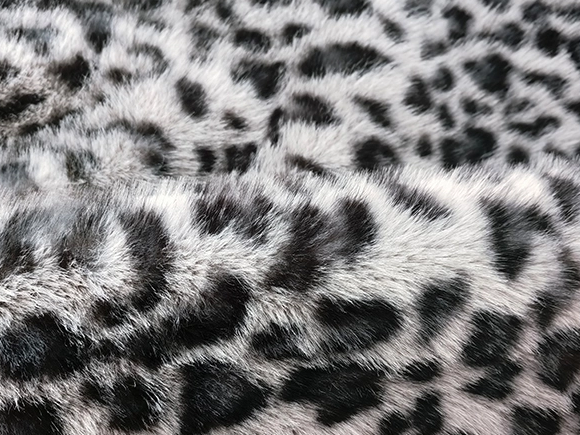
Thermoplastic fibers have opened up new possibilities in fashion and design. The ability to mold these fibers allows designers to create garments with complex shapes, textures, and finishes. For example, thermoplastic fibers are commonly used in the creation of structured garments such as coats and jackets, where shape retention is key.
In addition to traditional clothing, thermoplastic fibers are increasingly used in garment fabric designed for smart textiles. These fabrics can incorporate sensors, conductive materials, and other high-tech features that enhance garment functionality, making thermoplastic fibers an integral component of the future of fashion.
Thermoplastic fibers are commonly found in outerwear, activewear, and sports clothing due to their durability, flexibility, and resistance to harsh elements. Whether it's a waterproof jacket or a moisture-wicking shirt, thermoplastic fibers contribute to the performance of everyday clothing. They also provide low-maintenance options for garments that require minimal care, such as wrinkle-resistant shirts or easy-to-wash activewear.
While thermoplastic fibers offer many advantages, their heat sensitivity requires specific care during laundering and handling. Excessive heat can cause the fabric to lose its shape or damage its structural integrity. Therefore, proper washing instructions must be followed to preserve the longevity and performance of thermoplastic-based garment fabric.
Although thermoplastic fibers are durable, they can be more prone to pilling and wear over time, particularly when exposed to harsh conditions. They also may lack the natural comfort and breathability provided by materials like cotton or wool, which could be a consideration for consumers seeking the highest level of comfort.
While thermoplastic fibers can be recycled, the process is not always straightforward. The need for specialized recycling systems can limit the effectiveness of recycling efforts, leading to some waste in the garment manufacturing process. As recycling technologies improve, however, the environmental impact of thermoplastic fibers is expected to decrease.
Ongoing innovations in thermoplastic fiber technology are improving the performance and sustainability of garment fabric. New methods of fiber production and blending with other materials are enhancing the texture, durability, and versatility of these fabrics. For instance, the development of thermoplastic fibers that retain their properties even after multiple washings is increasing their appeal in mainstream fashion.
The integration of thermoplastic fibers into smart garments and sustainable fashion is rapidly growing. From clothing embedded with sensors to energy-efficient fabrics, thermoplastic fibers are making their mark on the future of wearable technology. As consumers become more eco-conscious, thermoplastic fibers' ability to be recycled and their low environmental impact will continue to drive their demand.
Thermoplastic fibers are revolutionizing the garment fabric industry by offering a range of benefits, including durability, sustainability, and cost-effectiveness. Their versatility has opened up new possibilities in fashion, enabling designers to create innovative garments that perform exceptionally well while remaining environmentally friendly. As the industry continues to evolve, thermoplastic fibers will play a crucial role in shaping the future of sustainable fashion. Exploring thermoplastic fibers for your next garment purchase means embracing a more sustainable, versatile, and high-performance wardrobe.At Suzhou Yuanchu New Material Technology Co., Ltd., we specialize in the production and sales of various warp and weft knitted fabrics, gray fabrics weaving, and processing services. Join us in advancing sustainable fabric technology and enhance your garment fabric options with our innovative solutions.
A: A thermoplastic fiber is a synthetic fiber that can be molded and reshaped when heated. These fibers are commonly used in garment fabric due to their flexibility, durability, and heat-resistance.
A: Thermoplastic fibers are woven or knitted into garment fabric to enhance durability, flexibility, and comfort. They are used in many types of clothing, including fox fake fur and outerwear, for their shape retention and water-resistant properties.
A: Thermoplastic fibers offer numerous benefits, such as cost-effectiveness, sustainability, and versatility. They improve garment performance by providing durability, elasticity, and wrinkle resistance in garment fabric.
A: Thermoplastic fibers increase the durability and longevity of garment fabric. They are also eco-friendly, as they can be recycled, making them a sustainable choice for modern fashion.


