
- All
- Product Name
- Product Keyword
- Product Model
- Product Summary
- Product Description
- Multi Field Search
Views: 0 Author: Site Editor Publish Time: 2026-02-18 Origin: Site


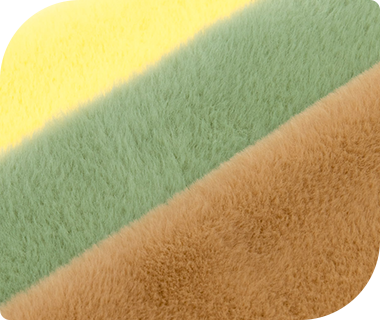
What fabric are plush toys made of , and why does it matter so much? The wrong surface can feel itchy, shed fibers, or wash poorly. The right Plush Toy Fabric can make a toy softer, safer, and easier to produce.
In this guide, we break down the most common plush toy fabrics and what they do best. You will learn how to match Plush Toy Fabric to age group, wash needs, print detail, and cost. You will also get simple checks to screen samples before bulk orders.
Short pile plush is common in mass production. Velboa often sits in the same category. It has a smooth, short surface and stable structure. We use it for faces, small parts, and printed characters. It holds shape well during sewing and stuffing. It also reduces “hairy” seams during turning. Many brands like it for keychains and mini animals. It feels soft, yet it keeps details crisp. If you need clean embroidery lines, it helps a lot.
Short pile Plush Toy Fabric also supports consistent cutting yield. The pile stays short, so panels align easier. It can show prints clearly compared to long pile fabrics. It can collect dust over time, so easy care still matters. For high-volume programs, it often wins on control and speed.
Minky is known for a baby-soft hand feel. Microfiber plush aims for smooth softness plus durability. Many buyers choose it for sensory comfort items and infant toys. It feels gentle on skin and looks premium on shelves. It also keeps color strong after many washes in many cases. It can slip during cutting, so we need good handling. It can stretch, so we need stable stitch settings.
This Plush Toy Fabric category often supports “premium cuddle” positioning. It works well for blankets and plush toys in matching sets. It also hides minor seam lines, since the surface stays uniform. If you want dotted textures or embossed patterns, minky variants fit. For long-term use, microfiber plush can resist matting better than some fluffy piles.
Tip:Ask for a post-wash hand feel swatch, not only fresh samples.
Fleece is warm, light, and easy to wash. Coral fleece feels softer and more plush on touch. Both are popular for baby items, pet toys, and comfort plush. They cut fast and do not fray much. They also dry quickly after washing. That matters for toys used daily. They can pill after heavy rubbing, so fabric grade matters. Anti-pill versions can reduce complaint rates.
Fleece Plush Toy Fabric works well for simple shapes and larger panels. It may struggle for tiny facial details, since the surface can “fuzz” edges. It is still a strong choice for pillow plush and entry-level lines. If your market values easy cleaning, it fits well. For seasonal items, it also supports warm and cozy themes.
Long plush and faux fur create strong visual impact. They help lifelike animal looks and luxury gift feel. They trap air, so they feel warmer and fluffier. They can also hide seams well on large bodies. Yet they can shed during cutting and sewing. They also make prints less clear on faces. We often use short pile on faces and long pile on bodies.
This Plush Toy Fabric category needs careful production control. Pile direction must stay consistent across panels. Otherwise, color looks uneven under light. Cleaning can be harder, since fibers trap dust. It also raises shipping volume due to loft. Still, shelf appeal can justify the cost in premium tiers.
Plush Toy Fabric type | Best for | Main advantage | Main watchout |
Short pile plush / velboa | Detailed characters | Crisp shapes and prints | Dust and surface lint |
Minky / microfiber plush | Baby-soft premium toys | High comfort feel | Slippery stretch handling |
Fleece / coral fleece | Easy-care plush | Fast sewing and washing | Pilling under heavy rub |
Long plush / faux fur | Lifelike animals | Strong shelf appeal | Shedding and harder cleaning |
Before we pick any Plush Toy Fabric, we should anchor use case. One fabric rarely fits every toy line. Use these quick filters, then confirm via swatches.
● Age group: infant, toddler, or general audience.
● Wash frequency: occasional cleaning or weekly machine wash.
● Detail level: sharp facial prints or fluffy animal look.
● Price tier: promo, mid-range, or premium gift.
For baby and toddler toys, safety and touch come first. We want gentle surfaces and low shedding. We also want stable dyes and clean chemical profiles. Many teams choose minky or short pile velboa here. They feel soft and avoid long loose fibers near mouths. Coral fleece can also work for comfort toys, if shedding stays low. We should avoid tiny furry fibers for infants. We should also avoid scratchy backings and stiff coatings.
Plush Toy Fabric for young kids should also support easy washing. Parents wash toys often after spills. So color stability matters a lot. Seam strength matters too, since they pull ears and arms. If the toy includes embroidery, keep it smooth and flat. It reduces skin irritation during cuddling.
Note:For infant products, keep fiber shedding and trim parts under strict control.
Some toys live hard lives. Kids drag them, throw them, and wash them often. In this case, durability drives value more than luxury feel. Microfiber plush and anti-pill fleece often perform well here. Short pile plush can also hold shape after repeated cycles. We should watch seam slippage and panel distortion. Stretchy fabrics need stable stitching and proper seam allowances. We also need stuffing choices that recover after compression.
Plush Toy Fabric for heavy play should resist pilling and matting. It should also resist color fade and surface roughness. If a toy becomes rough after washes, returns can rise. For B2B programs, it helps to run a simple wash-and-rub test on prototypes. It gives early signals before bulk orders.
Character toys often need sharp faces and clear logos. Smooth, short pile fabrics work best for this goal. Velboa and short plush usually give better print clarity. They also support clean embroidery outlines. Long pile Plush Toy Fabric can blur graphics and hide fine lines. It can also shift visual tone due to pile direction. That creates inconsistent faces across batches.
For detail-focused designs, we should also plan for pile direction marks. Even short pile can reflect light differently. So we should standardize layout direction during cutting. We should also choose inks and finishes that stay soft. A stiff print can crack during turning and stuffing. A small print test can prevent costly rework later.
Cost is not only fabric price per meter. It also includes labor, defect rates, and yield loss. Long pile fabrics can waste more during cutting. They also slow sewing due to bulk. Minky can slow cutting due to slipping. Short pile fabrics can speed production and improve consistency. For Plush Toy Fabric sourcing, we should consider total landed cost. We should also consider packaging volume and shipping cost.
Large-scale programs benefit from stable fabrics that cut and sew predictably. They also benefit from clear QC standards and repeatable color control. If you plan many SKUs, choose a small “fabric library.” Then you can reuse proven options across designs. It reduces training time for factories and reduces quality drift.
Use case | Recommended Plush Toy Fabric | Why it fits |
Infant comfort toy | Minky or short pile velboa | Soft touch, controlled shedding |
Weekly washing | Microfiber plush or anti-pill fleece | Better wear and easy care |
Printed character face | Short pile plush / velboa | Clear prints and crisp embroidery |
Premium shelf appeal | Long plush or faux fur | Fluffy look and luxury feel |
Tip:Build a two-fabric system for many toys: short pile for faces, long pile for bodies.
Velvet and velour-style fabrics add a refined look. They can make dolls and gift plush feel elegant. The surface often shows light sheen and smooth touch. It works well for decorative lines and adult gift markets. It also supports clean embroidery and applique edges. Yet it can show pressure marks from handling. It can also demand gentler cleaning to keep sheen.
As Plush Toy Fabric, velvet-style options fit best for low-rub toys. They work well for display plush or seasonal decor. For children’s heavy-play toys, it may show wear faster. If you use it, plan simple shapes and reinforce seams. Keep stuffing even, so surface tension stays uniform.
Sherpa gives a wool-like look and cozy winter mood. It can mimic animal fur in a friendly way. It works well for bears, lamb themes, and holiday toys. It also feels warm and soft for hand warmers and comfort items. Yet it can create static in dry seasons. It can also struggle on tiny shapes and sharp corners.
Sherpa Plush Toy Fabric needs careful trimming at seam lines. Otherwise, seams become bulky and hard to turn. It also benefits from wider seam allowances and slower stitching. If your toy has small facial details, consider mixing fabrics. Use short pile on the face and sherpa on the body. It keeps both detail and warmth.
Flannel and cotton are not “plush” in the same way. Yet they are common in certain plush toy builds. They work well for minimalist toys, cloth dolls, and plush pillows. Cotton offers breathability and easy printing. Flannel adds warmth through a fuzzy surface finish. They also support sharp patterns and simple sewing.
As Plush Toy Fabric, these options suit brands focused on clean design. They also suit mixed-material toys. For example, cotton can be used for clothing and accessories. Then plush fabric can be used for the body. The trade-off is touch feel. They may feel less cuddly than minky or long plush. Still, they can be safer and easier to wash for some markets.
Safety proof builds buyer trust and speeds approvals. For Plush Toy Fabric, buyers often want chemical safety evidence and fiber content proof. They also want traceability for dye lots and finishes. Even when regulations differ by market, documents help. They reduce risk during audits and marketplace checks. You can also store test reports per fabric lot. It supports repeat orders and faster reorders.
For B2B teams, it helps to prepare a “fabric passport.” It can include fiber content, color codes, care guidance, and test summaries. It also helps factories follow consistent handling rules. Clear documentation reduces confusion and reduces line defects. It also helps customer service answer safety questions quickly.
Tip:Create one shared spec sheet per Plush Toy Fabric, then reuse it across SKUs.
Durability tests should match real use. For kids toys, wash and rub matter most. Seam strength matters too, since they pull parts hard. Pilling and matting matter for fleece and long pile fabrics. Colorfastness matters for printed faces and bright colors. Shedding checks matter for long plush and faux fur. We can do simple internal screening first. Then we can request third-party tests if needed.
We should also check recovery after compression. Toys sit in boxes and shipping bags. Some fabrics flatten and lose softness feel. A quick compression test can reveal risk. Press it, hold it, then release it. Watch how it rebounds. This simple check can save returns later.
Check item | What it prevents | Simple internal test |
Shedding control | Loose fibers and safety complaints | Shake and tape pull check |
Pilling resistance | “Old look” after play | Rub test on corners |
Wash stability | Shrink and distortion | Two-cycle wash trial |
Seam strength | Split seams and returns | Pull test on seams |
Colorfastness | Fade and staining | Damp white cloth rub |
Care rules should match real user behavior. Many buyers assume machine wash. If your Plush Toy Fabric needs special cleaning, you must communicate it clearly. Otherwise, you will see complaints and negative reviews. We should test washing and drying limits on prototypes. We should also observe how pile changes after drying. Heat can flatten some plush surfaces. Overloading can increase friction and pilling.
Maintenance also includes stain spot cleaning and brushing. Long pile fabrics may need gentle brushing to restore loft. Some surfaces collect dust and lint, so lint control matters. If you sell to parents, keep care guidance simple. Clear guidance protects product life and brand trust.
So, what fabric are plush toys made of ? Most toys use short pile plush, minky, fleece, or faux fur. The best Plush Toy Fabric depends on touch, safety, washing needs, and print detail. When we test shedding, pilling, seams, and color, we reduce returns and build trust.
For stable supply and flexible choices, source from Suzhou Yuanchu New Material Technology Co., Ltd.. They support custom specs and fast sampling, so you can match the right Plush Toy Fabric to each toy tier and scale production smoothly.
A: Common Plush Toy Fabric options include short pile plush, minky, fleece, and faux fur. Each balances softness, detail, and cost.
A: Many brands choose minky or short pile plush for gentle touch. Plush Toy Fabric for babies should also keep shedding low.
A: Use smoother, short pile Plush Toy Fabric like velboa. Long pile fabrics can blur prints and hide small details.
A: High friction and heat drive pilling. Choose anti-pill grades and use gentle washing to keep Plush Toy Fabric looking new.
A: It can trap lint and shed during cutting. Pick it for premium looks, then test washing and brushing to protect the pile.


