
- All
- Product Name
- Product Keyword
- Product Model
- Product Summary
- Product Description
- Multi Field Search
Views: 0 Author: Site Editor Publish Time: 2026-03-29 Origin: Site


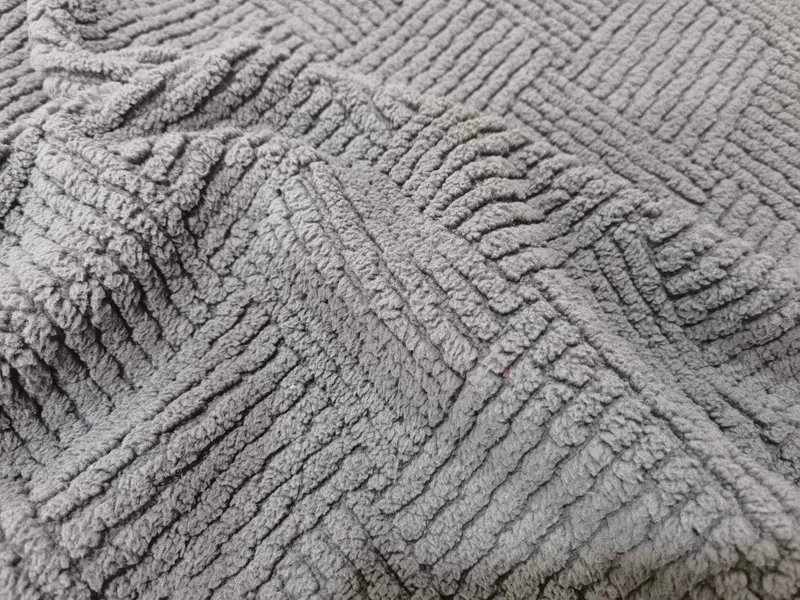
Fleece fabric emerged in the 1970s as a synthetic miracle. Developed by Malden Mills in partnership with Patagonia, it was engineered to mimic the incredible insulating properties of wool but without the associated weight, itchiness, or complex maintenance. This innovation quickly earned it the nickname "vegan wool," establishing it as the industry standard for performance outdoor gear and highly functional home textiles. While most consumers recognize fleece for its signature softness, a professional evaluation requires a deeper understanding. This guide moves beyond simple tactile qualities to explore the technical metrics—like GSM, TOG, and CLO—that are critical for making informed commercial and industrial procurement decisions. You will learn to assess fleece based on its technical merits for any application.
Thermal Efficiency: Fleece offers a superior warmth-to-weight ratio compared to natural fibers, maintaining insulation even when damp.
Selection by Weight: Performance is dictated by GSM (Grams per Square Meter), ranging from 100 (microfleece) to 300+ (heavyweight/thermal).
Technical Superiority: Unlike wool, fleece is hydrophobic, drying rapidly and resisting heavy "water-log" weight.
Sustainability Shift: Modern procurement focuses on GRS (Global Recycled Standard) and microplastic mitigation.
The journey of Fleece Fabric from a simple synthetic yarn to a high-performance textile involves precise engineering. Understanding this process is key to appreciating its unique qualities and selecting the right type for your products.
At its core, fleece is made from polyester, specifically polyethylene terephthalate (PET). This is the same polymer used to make plastic beverage bottles. In fact, a significant portion of modern fleece is produced from recycled PET, making it a popular choice for brands focused on sustainability. To enhance performance, polyester is often blended with other fibers. A small amount of spandex (elastane) adds stretch for activewear, while rayon can improve drape and softness. These blends allow manufacturers to fine-tune the fabric's properties for specific end-uses.
The true magic of fleece lies in its structure, which is created through a mechanical process called "napping" or "brushing." After the polyester yarn is knitted into a flat fabric, it is fed through a machine equipped with a series of rollers covered in fine metal brushes. These brushes move rapidly over the fabric's surface, pulling up tiny loops of fiber to create a dense, soft pile. This process creates millions of tiny air pockets within the fabric. These pockets trap body heat, providing exceptional insulation without adding significant weight. The density and depth of this pile are what determine the fabric's warmth and texture.
Once the pile is raised, it is not yet uniform. To create a consistent and durable surface, the fabric undergoes two more critical steps. First is shearing, where the raised fibers are trimmed to a precise, uniform height. This not only gives the fleece its smooth, plush appearance but is also the first line of defense against pilling. Second, the fabric is heat-set. This process locks the fibers into place, ensuring the structure remains stable through washing and wear. Without proper shearing and heat-setting, a fleece fabric would quickly pill, deform, and lose its insulating properties.
For product lines with a strong eco-conscious focus, several natural alternatives to polyester fleece have gained popularity. These options aim to provide similar comfort while using plant-based or organic materials.
Organic Cotton Fleece: Offers excellent softness and breathability but is less water-resistant and slower to dry than polyester.
Bamboo Fleece: Known for its silky texture, hypoallergenic properties, and moisture-wicking capabilities.
Hemp-Blend Fleece: Hemp adds remarkable durability and natural UV resistance to the fabric, making it a rugged and sustainable choice.
These alternatives cater to a niche market but highlight the growing demand for diverse and sustainable material options.
Evaluating the true performance of fleece requires moving beyond its soft feel. The core Fleece Fabric Characteristics form a matrix of technical properties that determine its suitability for different environments, from a cozy living room to a windswept mountain peak.
Perhaps the most significant advantage fleece has over natural fibers like cotton or wool is its hydrophobic quality. The polyester fibers that constitute fleece absorb less than 1% of their own weight in water. This means that when exposed to rain, snow, or heavy perspiration, the fabric does not become saturated and heavy. Instead, it allows moisture to pass through and evaporate quickly. This property ensures that fleece maintains its insulating ability even when damp, a critical safety feature for outdoor apparel.
Standard fleece has an open, porous structure created by the napped pile, which makes it highly breathable. This allows metabolic heat and moisture vapor to escape, preventing the wearer from feeling clammy during physical activity. However, this same structure offers little resistance to wind. To solve this, manufacturers have developed specialized fleece variants:
Hard-face Fleece: Features a smooth, tightly woven outer surface that helps deflect wind and adds abrasion resistance.
Wind-Stopper Fleece: Incorporates a laminated membrane between two layers of fleece. This membrane blocks wind entirely while still allowing internal moisture to escape.
Choosing between these depends on the intended use—high-exertion activities demand breathability, while static, cold conditions require wind resistance.
To quantify warmth objectively, the textile industry uses standardized thermal resistance metrics. These are far more reliable than subjective descriptions like "warm" or "extra warm."
Thermal Overall Grade (TOG): Primarily used for home textiles like duvets and blankets. The scale typically ranges from 0.5 TOG for a light summer layer to over 3.5 TOG for a thick winter blanket. A higher TOG value indicates greater thermal insulation.
CLO Value: Used to measure the insulation provided by clothing. One CLO is the amount of insulation that allows a person at rest to maintain thermal equilibrium in a room at 21°C (70°F). Professional-grade outdoor and industrial apparel is often rated by its CLO value to ensure it meets safety standards for specific cold environments.
Understanding these metrics allows you to make data-driven procurement decisions tailored to your product's performance requirements.
Compared to many natural fibers, polyester fleece exhibits excellent durability. It is highly resistant to stretching, shrinking, and wrinkling, which simplifies care and extends the garment's lifespan. It also stands up well to repeated washing and is not susceptible to damage from moths or mildew, unlike wool. The primary durability concern for fleece is pilling, which can be mitigated through high-quality manufacturing processes and anti-pill finishes.
Not all fleece is created equal. The most fundamental way to classify fleece is by its weight, measured in Grams per Square Meter (GSM). This metric directly correlates with the fabric's thickness, warmth, and ideal application. Selecting the correct GSM is the first step in aligning a fabric with its intended purpose.
| Fleece Type | GSM Range | Key Features | Primary Applications |
|---|---|---|---|
| Microfleece | 100-150 GSM | Extremely lightweight, highly breathable, excellent moisture-wicking. | Base layers, activewear, gym shirts, lightweight throws, infant accessories (ear-warmers, hats). |
| Mid-weight Fleece | 200-250 GSM | The "all-rounder." Balances good insulation with reasonable breathability. | Standard outdoor jackets, vests, sweaters, cozy blankets, quarter-zip pullovers. |
| Heavyweight / Polar Fleece | 300+ GSM | Maximum thermal insulation, thick and plush pile, less breathable. | Extreme cold-weather gear, heavy winter jackets, durable blankets, upholstery. |
This is the lightest and most breathable category of fleece. Its primary function is not to provide intense warmth but to manage moisture. Microfleece is excellent at wicking sweat away from the skin, making it an ideal choice for athletic base layers worn during high-exertion activities. Its thin profile also makes it suitable for liners in gloves or hats and for lightweight baby products where warmth without bulk is essential.
Often considered the "standard" fleece, this weight offers the most versatility. It provides a substantial amount of warmth without being overly bulky or sacrificing too much breathability. This is the fabric you will find in most classic fleece jackets, sweaters, and vests. It is the perfect middle ground for everyday wear in cool weather and serves as an effective insulating mid-layer in a more technical layering system.
When maximum warmth is the priority, heavyweight fleece is the answer. This thick, dense fabric provides exceptional insulation, making it suitable for outerwear in very cold or extreme conditions. Because it is less breathable, it is best for situations with low physical activity where trapping heat is the main goal. It is also a popular choice for thick, plush blankets and heavy-duty home upholstery projects.
Beyond weight, fleece is also available in a variety of textures designed for specific aesthetic and functional purposes.
Sherpa & Berber: These fleeces mimic the look and feel of natural sheepskin. They feature a bumpy, nubby texture on one side and a smooth knit on the other. They are commonly used as linings for jackets and boots or for high-aesthetic throws and pillows.
Coral & Minky: Characterized by a higher, denser, and exceptionally soft pile, these variants are a top choice in the Home Textile Fabric market. Their ultra-plush feel makes them perfect for luxury bathrobes, baby blankets, and decorative throws.
French Terry: Technically an "un-brushed" fleece alternative, French Terry features soft loops of yarn on its interior instead of a sheared pile. This structure is excellent for absorbing moisture, making it a staple for sweatshirts, joggers, and activewear.
The widespread adoption of fleece across dozens of industries is no accident. It stems from a powerful combination of performance, cost-effectiveness, and user-friendly features. These strategic Fleece Fabric Benefits make it a superior choice for a vast range of products, from high-performance apparel to everyday home goods.
One of the most compelling advantages of fleece is its exceptional value. It delivers thermal performance comparable to, and in some cases exceeding, that of natural fibers like Merino wool, but at a significantly lower cost. This lower Total Cost of Ownership (TCO) makes it possible for brands to produce high-quality, warm, and durable goods that are accessible to a broader consumer market. For manufacturers, the scalability and consistent quality of synthetic fleece production offer a reliable supply chain advantage over the more volatile natural fiber markets.
Unlike wool, which contains lanolin—a natural oil that can cause allergic reactions in some individuals—polyester fleece is inherently hypoallergenic. This makes it an ideal material for products that come into direct contact with sensitive skin. It is a preferred choice for baby blankets, children's clothing, and medical-grade comfort items like hospital blankets. Its synthetic nature ensures there are no natural allergens to trigger skin irritation, providing peace of mind for consumers and reducing product liability for brands.
Fleece's adaptability is truly remarkable. Its applications range from the mundane to the mission-critical. In the home, it is used for everything from simple anti-pill throws and cozy pet beds to plush upholstery and luxurious bathrobes. At the extreme end of the spectrum, its superior warmth-to-weight ratio and moisture management have made it a material of choice for high-performance gear, including the undergarments worn by astronauts in the cold vacuum of space. This vast application range demonstrates the fabric's fundamental reliability and adaptability.
For the end consumer, fleece is incredibly easy to care for. It is machine-washable and dries very quickly, often line-drying in a fraction of the time required for cotton or wool. It resists shrinking and wrinkling, eliminating the need for special laundering or ironing. Furthermore, as a synthetic material, it is not susceptible to damage from moths, which can be a significant problem for stored wool garments. This low-maintenance profile reduces the long-term care overhead for consumers and adds to the product's overall value proposition.
While fleece offers numerous benefits, a responsible and professional evaluation requires acknowledging its limitations and potential downsides. Understanding these trade-offs is crucial for mitigating risks, ensuring product quality, and meeting modern compliance and consumer expectations.
As a synthetic material, polyester fleece is prone to building up static electricity, especially in dry conditions. This can be a minor annoyance for consumers but a more significant issue in certain industrial or technical applications. More critically, standard polyester fleece is flammable and can melt when exposed to high heat. For products intended for commercial settings, children's sleepwear, or environments with fire risk, it is essential to specify fleece that has been treated with a Flame Retardant (FR) finish to meet legal safety standards.
Pilling—the formation of small, tangled balls of fiber on the fabric's surface—is the most common aesthetic issue with low-quality fleece. It occurs due to abrasion during wear and washing. Premium fleece manufacturers combat this by using higher-quality, longer-staple yarns and applying an "anti-pill" finish. This chemical or mechanical treatment helps lock the fibers in place, significantly improving the garment's appearance and longevity. When sourcing, always inquire about the grade of anti-pill finish; a low-grade product can begin to degrade after just a few wash cycles.
The environmental footprint of fleece is its most significant trade-off. While using recycled PET bottles is a positive step, the fabric is not biodegradable and relies on a petroleum-based supply chain. The most pressing concern is the shedding of microfibers (microplastics) during every wash cycle. These tiny plastic particles can bypass wastewater treatment plants and enter aquatic ecosystems. To address these concerns, procurement managers should prioritize suppliers with robust certifications:
GRS (Global Recycled Standard): Verifies recycled content and ensures responsible social, environmental, and chemical practices in production.
Bluesign®: A holistic system that provides safer and more sustainable environments for people to work in and everyone to live in. It ensures that the textile value chain uses resources responsibly and minimizes environmental impact.
OEKO-TEX®: Certifies that the final product is free from harmful levels of more than 100 substances known to be dangerous to human health.
For brands designing and constructing garments, fleece presents unique challenges. The "nap direction" of the pile means that all pattern pieces must be cut in the same direction to avoid visible shifts in color and texture. Additionally, the fabric's thickness can create bulky seams, which may require specialized sewing techniques or machinery to manage. Overlooking these details during the production phase can lead to inconsistent quality and a less professional final product.
Choosing the right fleece is a matter of precision and strategic alignment. A successful procurement decision hinges on matching the fabric's technical specifications to the product's end-use and the target consumer's expectations. For high-exertion activewear, the focus should be on low GSM and superior moisture-wicking. For a luxury blanket destined for the home textile market, the priority shifts to high GSM, an ultra-soft pile, and a robust anti-pill finish. By moving beyond a simple touch test and evaluating fleece through objective metrics like GSM and thermal ratings, you can ensure your final product performs exactly as intended.
Ultimately, fleece remains one of the most efficient, versatile, and scalable solutions for providing warmth and comfort in both apparel and home goods. However, in today's market, performance alone is not enough. The final verdict is that fleece's value is maximized when its technical superiority is paired with a commitment to sustainability. Prioritizing certifications like GRS and OEKO-TEX is no longer a bonus—it is a baseline requirement for meeting the demands of a conscious and discerning global consumer.
A: It depends on the context. Fleece offers a better warmth-to-weight ratio, meaning it provides more warmth for less bulk. However, wool, particularly when thick, can offer higher absolute insulation. Fleece's main advantage is that it stays warm when wet, whereas wool becomes heavy and loses some insulating power, though it still insulates better than wet cotton.
A: Yes, this is one of its primary strengths. Fleece is hydrophobic, meaning it absorbs very little water (less than 1% of its weight). It allows moisture to pass through it rather than soaking it up. This ensures the air pockets that trap heat remain largely intact, allowing the fabric to retain its insulating properties even in damp conditions.
A: First, purchase high-quality fleece with an "anti-pill" finish. For care, wash fleece garments inside out on a gentle cycle with cold water. Avoid washing them with abrasive items like towels or jeans. It is best to air-dry fleece or use a low-heat setting on your dryer to minimize friction and heat damage to the fibers.
A: For a warm winter blanket intended for the home textile sector, a heavyweight fleece of 300 GSM or higher is ideal. This weight provides significant thickness and a dense pile, which creates more air pockets to trap heat effectively. Specialty textures like sherpa or coral fleece at this weight will offer maximum coziness and thermal performance.
A: This is a complex question with trade-offs. On one hand, many fleece fabrics are made from recycled PET plastic bottles, which diverts waste from landfills. On the other hand, fleece is a petroleum-based synthetic that is not biodegradable and sheds microplastics when washed. To make the most eco-friendly choice, look for fleece with GRS (Global Recycled Standard) certification.


