
- All
- Product Name
- Product Keyword
- Product Model
- Product Summary
- Product Description
- Multi Field Search
Views: 0 Author: Site Editor Publish Time: 2025-12-24 Origin: Site


Calculating fabric consumption accurately is crucial for garment manufacturers aiming to reduce waste and optimize costs. In the fast-paced world of textile production, getting fabric calculations right can make the difference between profit and loss.In this article, you will learn how to calculate fabric consumption for woven garments and improve material usage in garment fabric production.
Fabric consumption refers to the total amount of fabric required to produce a garment, accounting for its size, design, and the efficiency of the manufacturing process. In garment fabric production, accurate fabric consumption estimates are essential for reducing waste, managing costs, and ensuring that production meets design specifications.
Fabric consumption affects cost calculations, purchasing decisions, and production timelines. For manufacturers, understanding fabric consumption helps balance the need for high-quality materials with cost efficiency. By optimizing fabric usage, businesses can minimize excess material purchases and reduce scrap, improving overall profitability.
Several factors play a role in determining fabric consumption for woven garments, including:
Factor | Impact on Fabric Consumption |
Garment Size | Larger garments require more fabric, while smaller garments use less fabric. |
Fabric Width | Wider fabric reduces consumption by covering more area per unit of length. |
Pattern Design | Complex designs with intricate details or embellishments may require more fabric. |
Cutting Efficiency | Efficient pattern layout and cutting methods minimize fabric wastage. |
Understanding these key factors helps manufacturers make informed decisions and optimize fabric usage, ensuring that the right amount of material is used without excessive waste.
The most common formula to calculate fabric consumption for woven garments is:
Fabric Consumption (in meters) = (Length of Garment × Width of Garment) / Fabric Width
For example, if a shirt requires 1.5 meters of fabric in length and 0.6 meters in width, and the fabric has a width of 1.5 meters, the fabric consumption can be calculated as:
(1.5 × 0.6) / 1.5 = 0.6 meters of fabric
This formula helps manufacturers quickly estimate fabric needs for different garment types.
Fabric shrinkage and stretch can impact the accuracy of fabric consumption calculations. Woven fabrics, particularly those made from cotton or other natural fibers, tend to shrink during washing, while others might stretch due to their elasticity.
To adjust for this, manufacturers often add a percentage to the fabric consumption estimate to account for shrinkage (typically 3-5% for cotton). This ensures that garments are not cut too short or become too tight after washing.
Fabric consumption calculations can vary depending on the type of garment being produced. For example:
Garment Type | Estimated Fabric Consumption |
Shirts | 1.5 to 2 meters per shirt depending on size and style. |
Pants | 2 to 3 meters, with variations based on design. |
Jackets | 3 to 4 meters, especially for lined or detailed garments. |
Understanding the nuances of each garment type ensures that fabric consumption calculations are tailored to the specific requirements of the design.
In large-scale garment manufacturing, using fabric consumption charts and advanced software tools is an effective way to streamline the process. Software can help automate calculations, adjusting for different garment styles, fabric types, and production variables. Some software tools even account for fabric defects and variations, ensuring highly accurate estimates.
Charts that estimate fabric consumption based on garment style and size are also useful for quick reference during production planning. By integrating these tools into the workflow, manufacturers can improve efficiency and reduce human error.
Accurate fabric consumption estimates are essential for reducing waste and minimizing costs. Underestimating fabric requirements may lead to production delays, while overestimating can result in surplus fabric that may not be usable. By refining fabric consumption calculations, manufacturers can optimize fabric usage, lower costs, and reduce material wastage, contributing to more sustainable production practices.
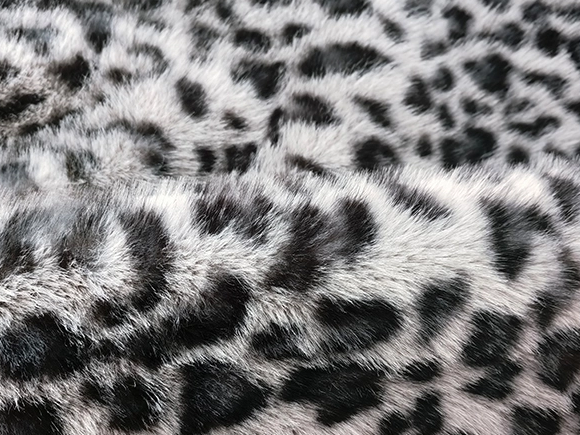
The type of fabric used in garment production directly affects fabric consumption. Heavier fabrics like denim or wool require more material due to their thickness, while lighter fabrics like chiffon or polyester require less. The quality of fabric, such as its GSM (grams per square meter) and weave density, also impacts how much fabric is needed to produce a garment.
Fox fake fur, for instance, requires a different calculation due to its pile and thickness compared to smoother woven fabrics. The texture and design of fabrics like fox fake fur need to be accounted for when calculating fabric consumption.
The complexity of the garment's design directly influences fabric consumption. Simple, straight-line garments (like T-shirts) require less fabric than garments with intricate details, such as pleats, folds, and embroidery. Additionally, patterns like checks or stripes might require more fabric to align the design across the seams.
More complex designs demand more fabric to accommodate extra stitching, darts, pleats, and decorative elements, leading to increased consumption.
The layout of the garment pattern on the fabric plays a significant role in fabric consumption. Efficient layout planning can reduce fabric wastage, while inefficient placement can lead to high levels of scrap material.
Tools like computerized cutting machines can optimize fabric utilization, ensuring that patterns fit perfectly within the fabric's width and length, minimizing waste.
Minimizing fabric waste is crucial for improving production efficiency. One strategy to reduce waste is optimizing the pattern placement on the fabric. By minimizing unused areas and aligning patterns precisely, manufacturers can significantly lower fabric consumption.
Automation, including the use of digital pattern-making software and cutting machines, can greatly improve fabric utilization. These technologies allow for precise cutting, which reduces fabric waste. Additionally, automation helps streamline the entire production process, increasing productivity and consistency in garment fabric manufacturing.
Proper fabric storage is critical in maintaining fabric quality and preventing damage that can lead to waste. Fabrics should be stored in dry, cool environments, away from direct sunlight, to prevent deterioration and ensure they remain in optimal condition for cutting and use.
Fabric shrinkage, especially in natural fibers like cotton, is a significant challenge in accurately calculating fabric consumption. These variations can lead to discrepancies between the expected and actual fabric requirements. Proper accounting for shrinkage is essential to avoid production issues.
Defects such as holes, stains, or color inconsistencies can increase fabric consumption because they often require additional material to compensate for the flaws. High-quality fabric is less likely to suffer from defects, so it's important to choose suppliers with stringent quality control processes.
Different manufacturers may use different measurement standards, leading to variations in fabric consumption calculations. Adhering to a standardized system for measuring fabric and garment dimensions ensures consistency and accuracy in fabric consumption estimates.
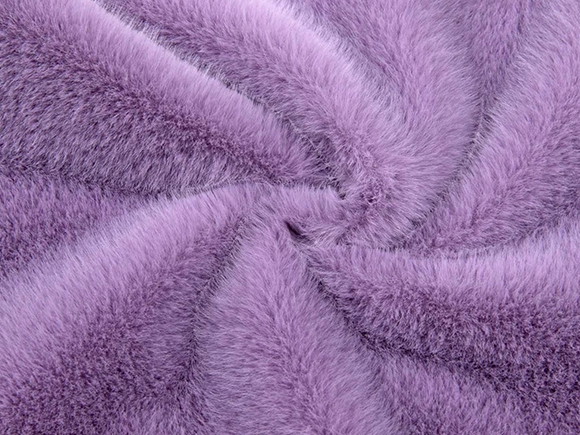
Conducting sample runs allows manufacturers to test fabric consumption in real-world conditions. By measuring the actual fabric used during a sample production run, manufacturers can adjust their fabric consumption estimates accordingly.
Close collaboration between designers and manufacturers is key to optimizing fabric consumption. Designers can provide information about the garment's design complexity, while manufacturers can advise on fabric requirements and potential waste reduction strategies.
Analyzing historical data from previous garment runs can help predict fabric consumption more accurately for similar garment types. By reviewing past trends, manufacturers can fine-tune their estimates and improve overall fabric efficiency.
Accurately calculating fabric consumption is essential for optimizing production efficiency, reducing costs, and minimizing waste in garment fabric manufacturing. By considering factors like fabric type, garment design, and pattern layout, manufacturers can calculate precise fabric requirements for woven garments. Technologies like automated cutting and digital pattern-making further streamline the process, ensuring cost-effective production.At Suzhou Yuanchu New Material Technology Co., Ltd., we specialize in warp and weft knitted fabrics, gray fabrics weaving, and processing services. Join us in advancing sustainable fabric solutions for your garment fabric needs.
A: Fabric consumption refers to the amount of garment fabric required to produce a garment. It depends on factors like garment size, pattern design, and fabric width.
A: To calculate fabric consumption, use the formula: (Length of garment × Width of garment) / Fabric width. Adjust for shrinkage or stretch, especially with fabrics like fox fake fur.
A: Accurate fabric consumption calculations help manufacturers reduce waste, lower costs, and improve production efficiency in garment fabric production, contributing to more sustainable operations.
A: Fabric type, such as fox fake fur, influences fabric consumption. Heavier fabrics like wool require more material, while lighter fabrics like polyester use less garment fabric.


