
- All
- Product Name
- Product Keyword
- Product Model
- Product Summary
- Product Description
- Multi Field Search
Views: 0 Author: Site Editor Publish Time: 2026-04-02 Origin: Site


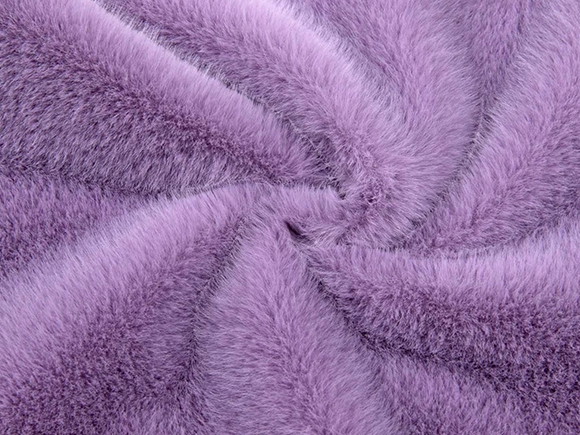
The conversation around fur has transformed dramatically. Once an undisputed symbol of luxury and status, it now sits at the center of a complex ethical and environmental debate. This shift has propelled faux fur from a simple alternative to a mainstream fashion staple. However, the choice is not as simple as "natural vs. synthetic." We now face a sustainability paradox, where neither real fur nor its synthetic counterpart has a perfect environmental record, each presenting its own set of challenges across its lifecycle. This guide offers a transparent, evidence-based comparison to help conscious buyers, designers, and brands evaluate faux fur fabric against traditional animal pelts. We will explore everything from biodegradability and carbon footprints to performance and the total cost of ownership, providing the clarity needed to make an informed decision.
Environmental Impact: Real fur is biodegradable but has a higher carbon footprint during production; faux fur is petroleum-based and contributes to microplastic pollution but has a lower manufacturing energy cost.
Durability & TCO: Real fur is a multi-decade investment with high maintenance costs; faux fur offers lower entry costs and easier care but a shorter functional lifespan.
Material Performance: Modern faux mink fabric and faux rabbit fur fabric closely mimic natural aesthetics but differ significantly in breathability and extreme-cold insulation.
The "Middle Way": Emerging interest in vintage fur and bio-based synthetics as solutions to the ethical-environmental deadlock.
Understanding the true environmental cost of any material requires looking at its entire journey, from creation to disposal. For real and faux fur, this lifecycle analysis reveals a fundamental trade-off between upstream production impacts and downstream pollution.
The primary environmental argument for real fur centers on its end-of-life phase. As a biological material composed of keratin protein, an untreated animal pelt is fully biodegradable. Under the right conditions, it can decompose in a compost environment in about six months to a year, returning nutrients to the soil. This stands in stark contrast to synthetic polymers derived from petroleum, which can persist in landfills and oceans for hundreds, if not thousands, of years, breaking down into smaller, more problematic microplastics rather than decomposing organically.
While faux fur avoids the ethical issues of animal agriculture, its production lifecycle begins with fossil fuels. The creation of fibers like polyester and acrylic is an energy-intensive process involving petroleum extraction, refining, and polymerization. Manufacturing polyester faux fur consumes significant amounts of energy and water. While some studies, like those referenced by the Higg Materials Sustainability Index (MSI), suggest that the cradle-to-gate impact of synthetics is lower than ranched mink fur, this calculation often omits the long-term ecological cost of plastic waste and microplastic pollution.
Neither material is free from chemical processing. To prevent decomposition and ensure durability, real fur pelts undergo a tanning and dyeing process. Historically, this has involved potent chemicals like chromium salts and formaldehyde, which can pose risks to tannery workers and local water systems if not managed in state-of-the-art, closed-loop facilities. On the other side, high-end faux fur fabric production uses various chemical treatments, including plasticizers, flame retardants, and stabilizers, to achieve the desired softness, sheen, and performance. The specific chemical load varies greatly depending on the manufacturer and quality.
A significant downstream impact of synthetic textiles is microplastic shedding. Every time a faux fur garment is washed, thousands of tiny, non-biodegradable plastic fibers are released. These microfibers travel through wastewater treatment plants, which are not designed to capture them, and ultimately enter rivers, lakes, and oceans. Once in the aquatic ecosystem, they are ingested by marine life, accumulating up the food chain and posing a widespread, persistent pollution problem.
Beyond ethics and ecology, the practical performance of a material dictates its utility and appeal. Modern advancements in textile engineering have allowed synthetic furs to close the gap with their natural counterparts in aesthetics, but key differences in composition lead to distinct performance characteristics.
High-quality faux fur manufacturers have become masters of mimicry. Premium faux mink fabric, for example, achieves its realistic feel by replicating the dual-layer structure of real mink. It uses a combination of fine, dense underfur fibers for warmth and softness, along with longer, tapered "guard hairs" that provide sheen and texture. This meticulous construction creates a material that not only looks but also feels remarkably similar to the real thing, a feat that was unimaginable a few decades ago.
Herein lies a crucial functional difference. Real fur is a product of millions of years of evolution, designed to provide maximum insulation with minimal weight while allowing moisture vapor to escape. This natural breathability is why it remains a top choice for extreme-cold climates; it keeps you warm without causing you to overheat and sweat, which can be dangerous in sub-zero temperatures. Many synthetic furs, particularly those with dense backings, can trap moisture, creating a "greenhouse effect" against the skin. While they provide excellent insulation, their lower breathability makes them less suitable for highly active use in cold weather.
The versatility of synthetic production allows for a wide range of specialized materials tailored to specific uses.
Faux rabbit fur fabric: Known for its exceptional softness and plush, short pile, this material is a popular choice for garment linings, collars, cuffs, and accessories. Its primary appeal is the luxurious "hand-feel" it provides at an accessible price point.
High-pile acrylics: Often used for outerwear, these fabrics are engineered for durability. They are designed to resist matting and pilling, which can be common issues with lower-quality synthetic furs over time. Their robust fibers maintain their structure and appearance even with regular wear.
Synthetic fibers like polyester and acrylic are hydrophobic, meaning they naturally repel water. A faux fur coat caught in a light rain or snow shower will typically dry quickly without any special care. The fibers themselves do not absorb moisture. In contrast, a real fur pelt, if soaked, requires immediate and professional attention. The leather hide beneath the fur can shrink, stiffen, or even rot if not dried properly, leading to permanent damage. This makes faux fur a more practical choice for everyday wear in variable weather conditions.
A true cost comparison goes beyond the initial price tag. The total cost of ownership (TCO) considers maintenance, repairs, and lifespan to reveal the long-term value of a garment. When comparing real and faux fur, this analysis often yields surprising results.
The initial price difference is the most obvious factor. A new coat made from a luxury animal pelt like mink or fox can cost thousands of dollars. A high-quality garment made from premium-grade faux fur fabric, on the other hand, is typically available for a few hundred dollars. This lower barrier to entry makes fashion-forward styles and colors more accessible to a much broader audience.
The disparity in cost continues long after the initial purchase. The maintenance requirements for each material are worlds apart.
Real Fur: It is a delicate biological material requiring professional care. This includes annual professional cleaning, which can be costly. During warmer months, it must be stored in a climate-controlled facility with specific temperature and humidity levels to prevent the hide from drying out and the fur from shedding. This specialized storage can add hundreds of dollars to the annual cost of ownership.
Faux Fur: Most faux fur garments can be cared for at home. While some may require gentle hand-washing or dry cleaning, many are machine washable on a delicate cycle. They can be stored in a standard closet without fear of moths or environmental damage, eliminating the need for expensive off-season storage.
| Cost Factor | Premium Faux Fur Coat | Entry-Level Real Mink Coat |
|---|---|---|
| Initial Purchase Price | $500 | $3,000 |
| Annual Professional Cleaning | $0 (Home care) - $60 (Occasional dry clean) | $100 |
| Annual Off-Season Storage | $0 | $150 |
| Total Cost Over 5 Years | $500 - $800 | $4,250 |
This is where the economics can flip. A well-cared-for real fur coat can be a generational asset, lasting 30 years or more. It can be repaired, restyled, and often retains or even increases in value, especially if it is from a renowned designer. The vintage fur market is robust. In contrast, most faux fur garments are part of a faster fashion cycle. While high-quality synthetics can last for many seasons, they generally have a shorter functional lifespan of 5-10 years before showing signs of wear like matting or fiber degradation. Their resale value is typically negligible.
Longevity fundamentally changes the value proposition. Let's consider a simplified calculation. A $500 faux coat worn 20 times a year for 5 years has a cost-per-wear of $5.00 ($500 / 100 wears). A $3,000 vintage or new real fur coat worn 20 times a year for 30 years has a cost-per-wear of just $5.00 ($3,000 / 600 wears), not including maintenance. This illustrates that while the upfront cost of real fur is high, its incredible longevity can make it a more economical choice over the very long term, aligning with the principles of "buy less, choose well."
The ethical debate is often framed as a simple binary choice, but the reality is a complex web of competing values. Choosing between real and faux fur involves weighing direct harm to animals against indirect, widespread harm to ecosystems.
For many consumers, the primary driver is animal welfare. The "cruelty-free" label on faux fur signifies that no animals were directly harmed or killed for the garment. This stance opposes the practices of fur farming, where animals like mink and foxes are raised in cages, and trapping. However, critics argue this view is too narrow, ignoring the indirect "ecological cruelty" caused by synthetic materials. The plastic pollution from manufacturing and microplastic shedding harms entire ecosystems, affecting marine life, birds, and ultimately, the habitats of the very animals the cruelty-free movement aims to protect.
Proponents of real fur from wild sources argue that regulated trapping plays a role in scientific wildlife management. In many regions, government agencies set quotas for trapping certain species to control populations, prevent the spread of disease, and manage invasive species that threaten local ecosystems. From this perspective, the fur is a sustainable, biodegradable byproduct of necessary ecological stewardship, providing income to rural and indigenous communities. This view is highly contested by animal rights organizations, who dispute the necessity and humanity of such practices.
The ethical consideration also extends to human well-being. Workers in both industries face potential health risks. In unregulated or older tanneries, workers can be exposed to harmful chemicals like chromium, leading to respiratory issues and other health problems. Similarly, workers in synthetic textile factories may be exposed to volatile organic compounds (VOCs) and other chemicals during the polymerization and finishing processes. Ensuring worker safety through strict regulation and modern technology is a critical ethical imperative for both sides of the industry.
Faced with this ethical deadlock, many eco-conscious consumers are turning to a third option: vintage fur. The argument is simple and powerful—the most sustainable product is the one that already exists. Buying a second-hand fur coat prevents it from ending up in a landfill, extends its useful life, and adds no new demand to either the fur farming or the petrochemical industry. This "circular economy" approach is widely seen as a pragmatic and responsible way to appreciate the material's durability and warmth without contributing to new production.
With no single "best" option, the right choice depends on your personal priorities, budget, and intended use. By breaking down the decision into specific scenarios, you can identify the material that best aligns with your needs.
For those living in or traveling to Arctic or sub-zero climates, performance is paramount. In this context, natural fur's superior insulation-to-weight ratio and breathability make it the preferred choice for pure utility. It provides life-sustaining warmth without the risk of moisture buildup. High-performance bio-synthetics are emerging as a potential alternative, but for now, natural or vintage fur often remains the standard for extreme-cold survival and workwear.
If your priority is expressing a bold fashion statement, keeping up with seasonal trends, or experimenting with vibrant colors and patterns, the flexibility of faux fur fabric is unmatched. Synthetics can be engineered in any imaginable color, texture, and pile length, offering designers limitless creative freedom. Its lower cost allows for more accessible trend-driven pieces that can be updated seasonally without the major investment of real fur.
For the consumer whose primary goal is reducing their overall environmental footprint, the choice hinges on a personal hierarchy of values.
If your top priority is animal rights: Vegan, synthetic fur is the only option. To mitigate its environmental impact, choose a high-quality piece made from recycled materials (like rPET), wash it infrequently and in a special bag that catches microfibers, and plan to keep it for many years.
If your top priority is reducing plastic pollution: Vintage or second-hand real fur is the most logical choice. It is biodegradable and keeps an existing item in circulation, creating zero new manufacturing demand.
When evaluating either material, transparency is key. Here are questions to ask brands or fabric suppliers to make a more informed choice:
For Faux Fur: What is the percentage of recycled content (e.g., rPET)? Are your materials certified by a standard like the Global Recycled Standard (GRS)? Do you have data on the material's score on the Higg Index?
For Real Fur: Is the fur sourced from a certified farm (e.g., WelFur certified)? If wild, is it sourced in accordance with international standards like the Agreement on International Humane Trapping Standards (AIHTS)? What environmental controls are in place at the tannery?
The fur debate is driving incredible innovation in material science, with the goal of creating a "third way" that combines the best qualities of both materials without their drawbacks. The future of fur-like textiles is likely to be shaped by cutting-edge, cruelty-free, and more sustainable technologies.
Cellular agriculture, the same technology behind lab-grown meat, holds the potential to create real fur without harming an animal. Scientists are working on methods to cultivate hair follicles in a lab to grow pelts that are biologically identical to natural ones. While this technology is still in its early stages and faces significant hurdles in scaling up and reducing costs, it represents a potential future where the material can be separated from the animal entirely.
Another exciting frontier is the development of bio-based faux furs derived from plants. Innovators are creating fur-like textiles from sources such as corn, hemp, and even nettles. For example, some companies are engineering proteins and using plant-based polymers to create soft, luxurious fibers that mimic the feel of fur. These materials aim to be both vegan and fully biodegradable, offering a solution to the plastic pollution problem posed by conventional synthetics.
In the more immediate future, the most significant shift in the synthetic fur industry is the move from virgin polyester to recycled alternatives. Using rPET (recycled polyethylene terephthalate), which is made from post-consumer plastic bottles, helps "close the loop" on plastic waste. Manufacturing rPET consumes significantly less energy and water than producing virgin polyester, reducing the carbon footprint of faux fur garments and diverting plastic from landfills.
The debate between real and faux fur is not a simple matter of good versus evil. It is a complex landscape of trade-offs where every choice has consequences. Real fur offers biodegradability and unmatched longevity but comes with significant ethical concerns and a high production footprint. Faux fur provides a cruelty-free, affordable, and versatile alternative but contributes to the global crisis of plastic pollution. There is no "perfect" choice, only a "best-fit" choice based on your individual priorities—be they ethics, performance, or environmental impact. Ultimately, the most sustainable action is to reject disposability. Prioritize quality and longevity, whether you choose a vintage pelt or a premium recycled synthetic, to reduce the overall footprint of your wardrobe and invest in pieces you will cherish for years to come.
A: It depends on the environmental metric you prioritize. Faux fur, being plastic, contributes to microplastic pollution and persists for centuries in landfills. Real fur is biodegradable but its production (especially on industrial farms) has a higher carbon footprint and involves chemicals for tanning. Neither is perfect; it's a trade-off between plastic pollution and production-phase carbon/chemical emissions.
A: Look for three key indicators. First, density: a high-quality faux fur has a thick, plush pile with a substantial backing that isn't easily visible. Second, feel: the fibers should be soft and silky, not coarse or plastic-y. Third, shedding: gently run your hand over it; a well-made fabric will shed very little, while lower-quality versions will lose fibers easily.
A: Yes, but with care. Always check the label first. If machine washing is allowed, use a gentle or delicate cycle with cold water and a mild detergent. To minimize friction and shedding, turn the garment inside out and place it in a large mesh laundry bag. Never put it in the dryer; air dry it on a hanger away from direct heat or sunlight.
A: Not necessarily. Unlike most clothing, a well-maintained real fur coat from a quality brand can be a long-term asset. While market trends fluctuate, vintage furs often retain significant value and are sought after in the resale market. Proper storage and care are crucial to preserving its condition and, therefore, its monetary and heirloom value.
A: Bio-based faux fur is a new generation of synthetic fur made from renewable, plant-derived resources instead of petroleum. These materials might use polymers created from corn, sugar cane, or other plant starches. The goal is to create a fur alternative that is both cruelty-free and biodegradable, reducing the reliance on fossil fuels and mitigating the problem of plastic pollution.


